
What is actually included in a cruise fare—and what is not
A line-by-line look at the real cost of a cruise, from the base fare to the things that only appear on the final onboard account
Eric Mallari10 min read
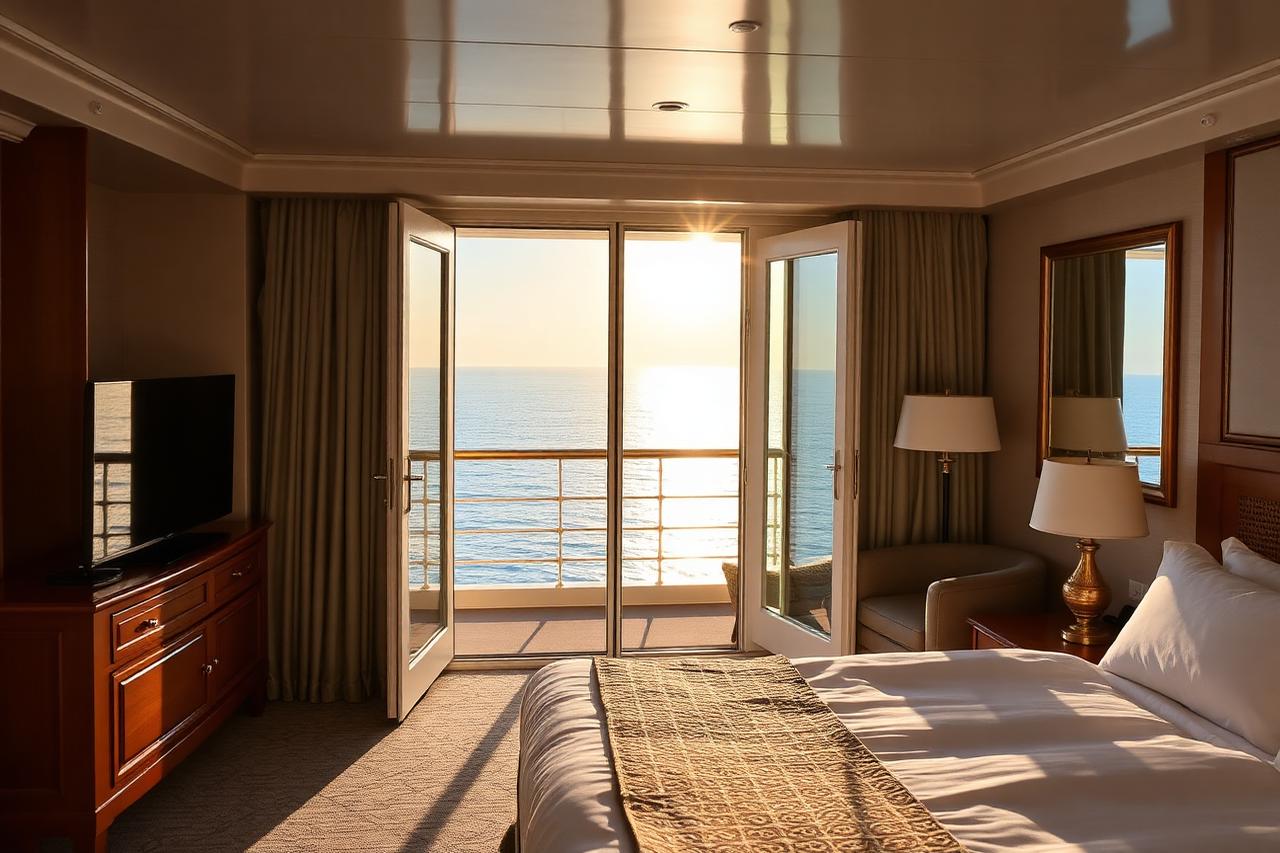
The advertised cruise fare and the total cost of the vacation are not the same thing. That is not a trick — a fare covers a defined set of things, and everything outside that set is priced separately. The difficulty is that where the line falls moves considerably between cruise lines, ships, fare types, promotions and destinations, which makes two headline prices genuinely hard to compare. This guide walks through the cost of a cruise item by item so you can build a realistic total before you put down a deposit.
1. The base cruise fare
The base fare buys your cabin for the length of the sailing, in the category you select, along with whatever the line treats as standard. On most mainstream ships that means your accommodation, main dining, casual and buffet venues, most onboard entertainment and activities, and use of the general public areas.
It is quoted per person based on two people sharing, which is worth remembering when comparing to a hotel rate. Solo travellers usually pay a supplement, and third and fourth guests in a cabin are typically priced separately and often lower.
2. Taxes, fees and port charges
Government taxes and port-related charges cover docking, security and local levies. They are generally not negotiable and they vary by itinerary — a port-intensive European route and a Caribbean loop with a private island day can look quite different on this line.
Some quotes display them inside the headline price and some add them at checkout, which is one of the most common reasons two fares that look different are actually similar. Always compare the price after taxes and fees.
3. Accommodation and what the category buys
Cabin category is usually the largest single variable within one sailing. The difference between an inside cabin and a balcony on the same ship can be substantial, and whether it is worth paying depends far more on the itinerary than on the ship — our guide to inside, oceanview and balcony cabins works through that decision.
On some lines, higher categories also carry inclusions beyond the room itself: priority boarding, specialty dining credits, drinks or Wi-Fi. Where that applies, the category difference is not purely about space, so read what the fare bundles before comparing per-night rates.
4. Dining that is included
On most ships, a good deal of the food is already paid for: the main dining room, the buffet, and a range of casual venues, generally across the whole day. Room service may be included, included with a delivery charge, or charged per item depending on the line and the time of day.
Basic beverages usually accompany meals — commonly water, standard coffee and tea, and often juice at breakfast. Anything beyond that tends to be priced separately.
5. Specialty dining
Specialty restaurants operate à la carte or on a cover charge, and on some ships there are a dozen of them. They are optional, and the main dining room is not a lesser experience by default, but if you intend to eat in them regularly it is a real line item.
Some fares and promotions include a set number of specialty meals. If yours does, note how many and whether reservations open before sailing.
6. Entertainment, activities and facilities
Production shows, live music, lectures, pools, the gym and most daytime programming are typically included. Ships increasingly also carry activities that carry a fee — some thrill attractions, escape rooms, certain fitness classes, spa treatments, and salon services among them.
Kids' clubs are generally included during standard hours on lines that operate them, with late-night or nursery care often charged separately.
7. Gratuities and service charges
Most cruise lines apply a daily service charge or gratuity per guest, added to the onboard account. Some fares and promotions prepay it, some lines build it into the fare entirely, and the amount differs by line, ship and cabin category, with suites often at a higher rate.
There may also be an automatic gratuity on bar and spa purchases. Rather than assuming a figure, check the current per-day amount for the specific line and cabin you are looking at, and multiply it across every guest and every night. On a longer sailing for a family, it is a meaningful number and it belongs in the comparison.
8. Drinks and beverage packages
Alcohol, specialty coffee, soft drinks and bottled water are usually charged individually unless your fare includes a package. Beverage packages are priced per person per day, and most lines require all adults in a cabin to buy one.
A package is neither a saving nor a waste in the abstract — it depends entirely on consumption.
- How to work it out: Take the package price per person per day, then estimate what you would actually order in a day at the ship's menu prices. If the two are close, the package mainly buys predictability rather than savings.
- Remember the whole trip: Packages are charged for every day of the sailing, including port days when you may be ashore, and embarkation and disembarkation days.
- Check what's covered: Packages usually have a per-drink price ceiling, may exclude certain venues or premium pours, and often include the gratuity — or add it separately.
9. Wi-Fi
Connectivity is generally sold per device or per person, by the day or for the voyage, with tiers ranging from messaging-only to streaming. Satellite service at sea can be inconsistent depending on the ship, technology and region, so treat performance claims as expectations rather than promises.
Some fares and loyalty tiers include a package or a number of minutes. If you need to stay reachable for work, price this properly rather than treating it as an afterthought.
10. Shore excursions
Excursions are usually the largest discretionary cost of a cruise, and they add up quickly across a week for a family. A few lines — generally at the premium and luxury end, and many expedition operators — include some or all excursions in the fare.
You can also explore independently, either on your own or with a local operator, which is often less expensive and sometimes better. The trade-off is timing: tours booked through the ship are coordinated with its schedule. Our Caribbean port-day guide covers how to pace this without overbooking the week.
11. Getting to the ship
Flights, checked bags, seat selection, parking, fuel, border-crossing time and transfers between the airport and the terminal all belong in the total. For Ontario travellers this is frequently what decides between two otherwise similar sailings, and a cruise from a drive-to port can beat a cheaper fare that requires two flights.
Our guide to cruise ports Ontarians can fly or drive to compares the realistic options.
12. Pre- and post-cruise hotels
Arriving the day before is generally the safer plan when you fly, which means at least one hotel night, transfers and meals on each end where applicable. If you have flown a long way, adding a couple of nights at the start or finish often makes better use of the airfare — but it is a cost, and it should sit in the budget rather than appear later.
13. Travel insurance
Coverage is priced separately in almost every case, and what it costs depends on the travellers, the trip and the policy. It belongs on the same worksheet as everything else. Our travel insurance guide sets out the sections worth reading before you buy.
14. Onboard discretionary spending
The remaining category is the one people underestimate: the spa, photographs, shops, the casino, art auctions, specialty coffee and a few drinks that were not in the plan. None of it is required, and all of it is easy.
A simple approach is to set a per-day figure for the cabin before you sail and check the onboard account midway through. Most lines let you review it on the app or the stateroom television.
Comparing two sailings honestly
Once both options are costed to the same baseline, the comparison usually becomes straightforward, and it is often not the cheaper headline fare that wins. A higher fare that includes drinks, Wi-Fi, service charges and excursions can land below a low fare with everything added, depending entirely on how you travel — the subject of our guide to why one cruise costs $2,000 and another $20,000.
That arithmetic is also worth doing before you decide when to book. Deposit terms, promotions and fare types change over the booking cycle, which our booking-window guide covers.
If you'd rather not build the spreadsheet, send me the two sailings you're weighing and I'll lay them out side by side.
Want an honest breakdown before you put down a deposit?
Send me the quotes you're comparing and I'll work out the realistic all-in cost of each — base fare, taxes, service charges, packages, excursions and travel days.
Found this helpful? Share it with your travel crew
Related dispatches
Why Does One Cruise Cost $2,000 While Another Costs $20,000?
Ship scale, service model, inclusions and itinerary explain most of the gap between a $2,000 cruise and a $20,000 one. Here is how to read the number before you book.
Read Dispatch
9 min read
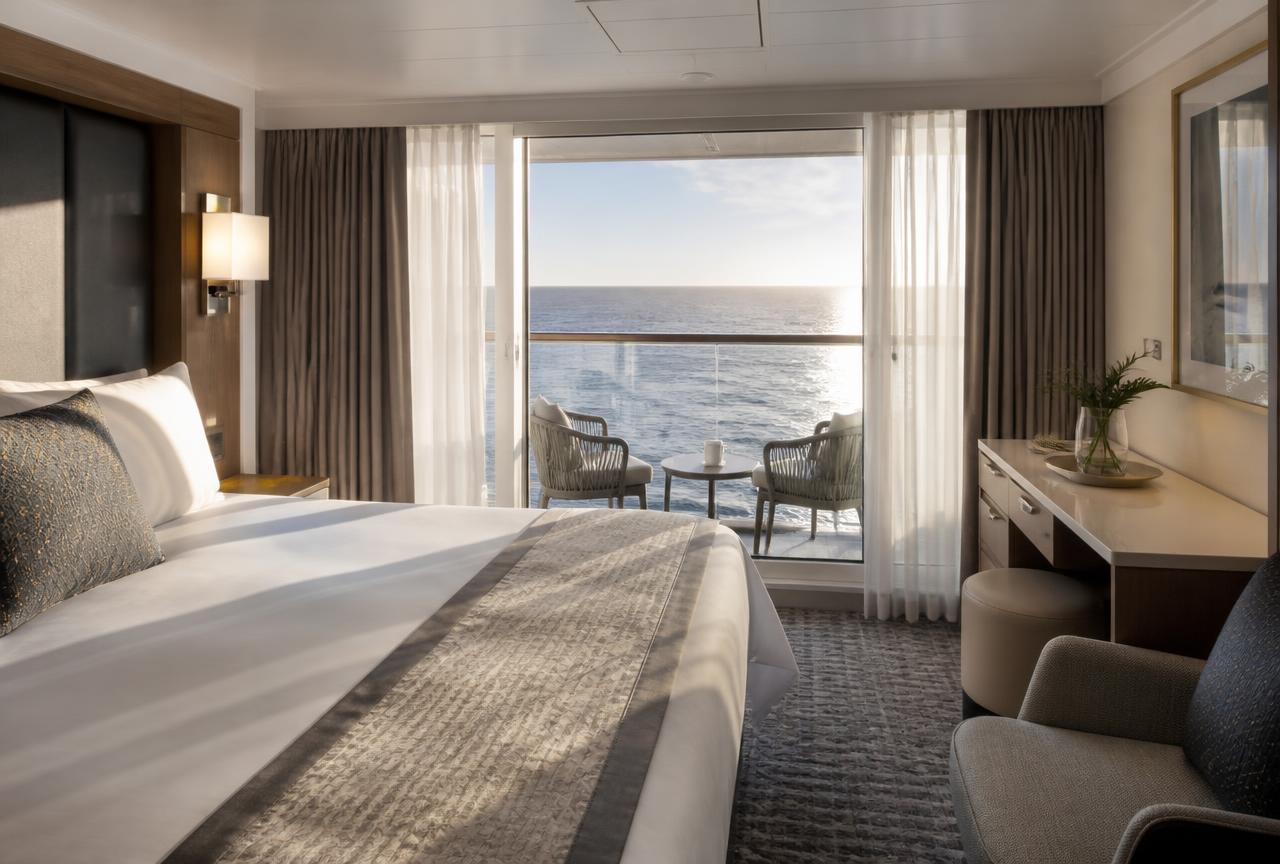
Inside, Oceanview or Balcony: Which Cruise Cabin Is Right for You?
Inside, oceanview or balcony? A practical decision guide to cabin categories, ship location, guarantee fares and when the balcony upgrade is genuinely worth the money.
Read Dispatch
12 min read

How Far in Advance Should You Book a Cruise? A Complete Canadian Planning Guide
The best time to book a cruise depends far more on your itinerary and cabin needs than on chasing a last-minute deal. Here are the booking windows I use with Canadian travellers.
Read Dispatch
11 min read