
How to choose the right deck on a European river ship
Light, view, noise, stairs and budget — how deck and cabin location shape a week on a European river
Eric Mallari7 min read
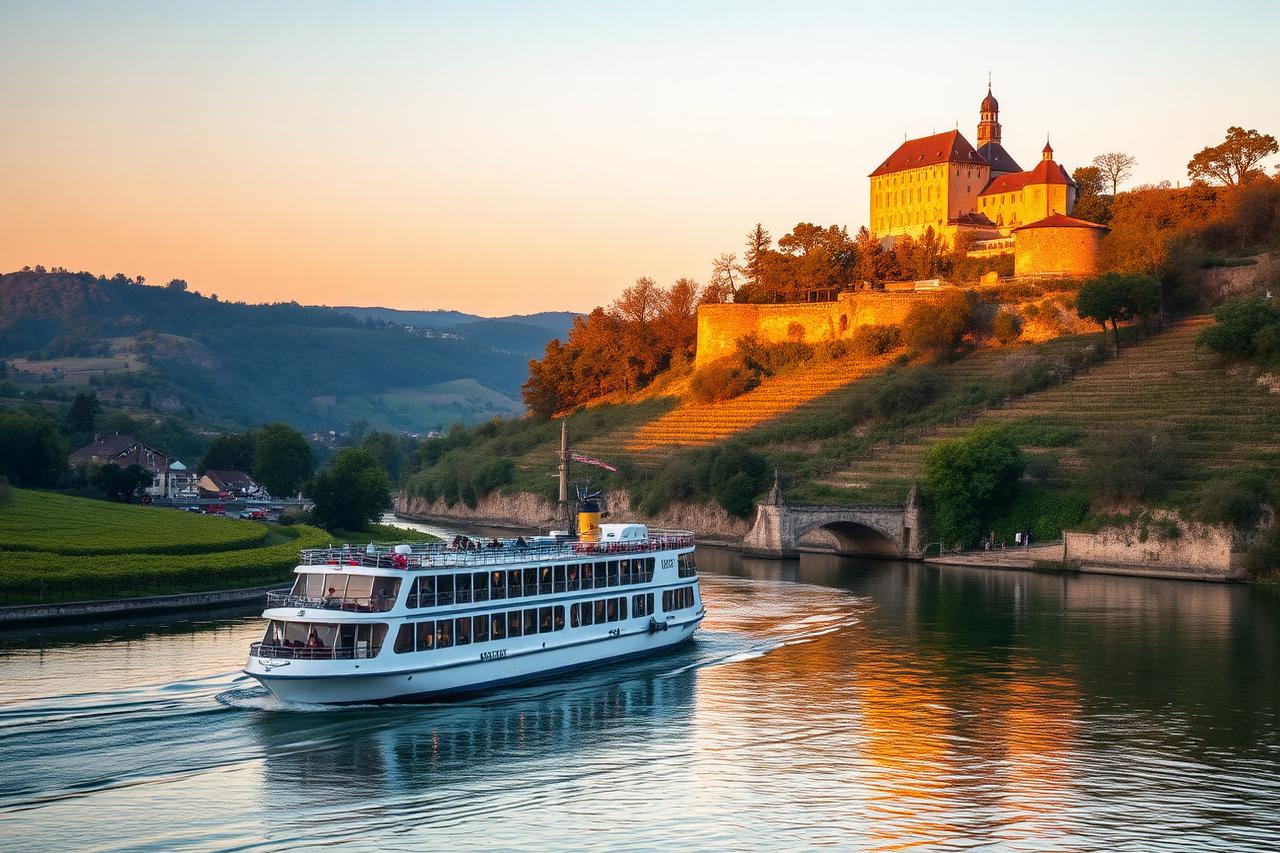
River ships carry a fraction of the guests an ocean liner does, and almost every cabin is within a short walk of the lounge and dining room. That makes deck choice less about convenience and more about light, view, value and the ship's layout. Unlike large ocean vessels, where a lower mid-ship cabin is often chosen to dampen motion, river sailing is generally very smooth — so the decisions are mostly vertical: how high you sit above the water line, how daylight enters the room, and how the ship's architecture interacts with European waterways.
Start with the ship, not the brochure category
River cruise lines name their decks and cabin categories differently, and the names rarely translate between brands. One line's Piano deck is another's Emerald or Standard; a "balcony" on one ship is a full-height glass door with a railing, while on another it is a genuine step-out platform with chairs.
Because of that, the useful comparison is not category names but three physical facts: which deck the cabin is on, where it sits fore-to-aft, and what kind of window or door it has. Every line publishes a deck plan showing exactly that, and it is worth reading before you compare prices.
Lower deck (Piano / Acacia / Standard): the value play
Lower-deck cabins sit closest to the waterline, and the trade for that is the window. On most European river ships these cabins have small, fixed windows set high on the wall, often near the ceiling, so daylight comes in but the view is limited and cannot be opened.
That matters less than people expect on a river itinerary. River cruising is port-intensive by design: most days you are ashore walking a medieval town, cycling a towpath or touring a vineyard, and much of the scenic cruising happens from the sun deck or the lounge rather than from your room.
- The setup: Small, fixed windows set high on the wall, at or near the waterline, in what is usually the least expensive category on the ship.
- The experience: You still get natural daylight and you are right down at the water, but you will not be watching the scenery go by from a reclined position in bed.
- The strategy: If your days are spent on walking tours, cycling excursions and shore exploration, and you treat the cabin as a quiet place to sleep, this is where the budget stretches furthest. The saving over a balcony category can cover a shore excursion package or a pre-cruise hotel night in your embarkation city.
- Worth checking: Some travellers notice engine hum toward the aft end, or mooring and anchor noise forward in the early morning. Modern river ships are generally quiet, and how much you hear depends on the ship and where you sit, but mid-ship lower cabins tend to be the safest choice if you sleep lightly.
Middle deck (Violin / Cello / Principal): the balanced choice
Middle-deck cabins are where most ships introduce the French balcony — a full-height sliding or drop-down glass door that opens onto a safety railing rather than an outdoor platform. You get the air, the sound of the river and an unobstructed sightline, without giving up interior floor space to a step-out area.
On a river ship, that distinction matters more than it does at sea. Cabins are compact by design, and on many vessels a step-out balcony is carved out of the room rather than added to it. A French balcony generally keeps the full footprint indoors, which is the reason a lot of experienced river cruisers prefer it.
- The setup: Full-height glass with a railing, one deck above the water, usually with better sightlines over the riverbank than a lower cabin.
- The experience: Fresh air and a wide view from inside the room, with the seating area still usable in cool or wet weather — which on a spring or Christmas-market sailing is most of the week.
- The strategy: This is the category I suggest most often for first-time river cruisers. European river scenery is close, constant and low to the water, and being able to open the room to it is the point.
- The value: It generally sits between the lower-deck fare and the upper-deck suites, which for many travellers is the most defensible spend on the ship.
Upper deck & suites (Horizon / Panorama): the panoramic view
Upper-deck accommodation often adds a true step-out balcony with a small table and chairs, or expands into larger mid-ship and aft suites, with quicker access to the sun deck and lounge. On dramatically scenic stretches — the castle-lined middle Rhine, the terraced vineyards of the Douro, the Wachau valley — that outdoor seating can earn its cost.
Height also changes the view itself. From an upper deck you look over embankments, floodwalls and lock chambers rather than up at them, which on canal-heavy routes is a real difference.
There are three practical realities worth weighing before you commit:
- Low bridges: European rivers pass under historic bridges with tight clearances. On some itineraries, and particularly during high-water conditions, ships lower railings, fold canopies or restrict access to the upper outdoor deck for a stretch. It is temporary, but it can affect how much you use the top of the ship.
- Elevator access: Lifts on river ships often do not serve every deck, including the sun deck, because of the height restrictions the hull is designed around. If stairs are a concern, say so early in planning — it narrows the ship and deck shortlist quickly.
- The overhead factor: The sun deck or lounge usually sits directly above the upper deck. Light sleepers should check the deck plan for cabins beneath high-traffic areas, bars or stacked loungers, which get moved early in the morning.
Where you sit fore-to-aft, and how much it matters
Deck is the first decision; position along the ship is the second. Mid-ship cabins are generally furthest from engine noise aft and mooring activity forward, and closest to the main stairwell, which shortens the walk to the lounge and dining room. Cabins near the lounge are convenient, though a few travellers notice late-evening music through the bulkhead.
Motion is rarely the deciding factor it is at sea. River ships sail on inland waterways and are usually alongside or at anchor overnight, so most guests report very little movement wherever they sleep. Locks are the exception — passing through one can involve some noise and gentle bumping at any cabin location, most noticeably at night.
Mobility, accessibility and how the itinerary changes the answer
River ships are small, and that cuts both ways. Distances onboard are short, but stair use is common, gangways can be steep depending on the water level, and ships are sometimes moored side by side, meaning you walk through a neighbouring vessel to reach shore. If anyone in your party has limited mobility, the deck decision should follow lift access and stair count rather than view.
The itinerary matters too. On a scenery-led route with long cruising stretches, a French or step-out balcony gets genuine use. On a route weighted toward city stops, where you are ashore from breakfast until dinner, the cabin is mostly for sleeping and a lower-deck category is easier to justify. A Christmas-market sailing in December is a different calculation again: daylight is short and outdoor time limited, so paying for an outdoor balcony is often the wrong place to spend.
Let's secure your cabin and unadvertised perks
Every river cruise line—from AmaWaterways and Avalon to Viking and Scenic—configures decks and cabin categories differently, and the naming conventions rarely line up between them.
Tell me which river or ship you're considering and I'll pull the exact deck plans, compare the available categories, and let you know about any promotions or amenities attached to the sailing.
Taking an ocean cruise instead? Our guide to inside, oceanview and balcony cabins explains how cabin selection changes on larger ships.
Ready to lock in the right cabin and deck?
Send me the river or ship you're considering and I'll pull the exact deck plans, compare available categories, and flag any unadvertised perks.
Found this helpful? Share it with your travel crew
Related dispatches

Rhine vs. Danube: Which Is Better for Your First European River Cruise?
Castles and vineyards, or Vienna and Budapest? A practical comparison of Europe's two most popular river cruise routes for Canadians booking their first sailing.
Read Dispatch
9 min read
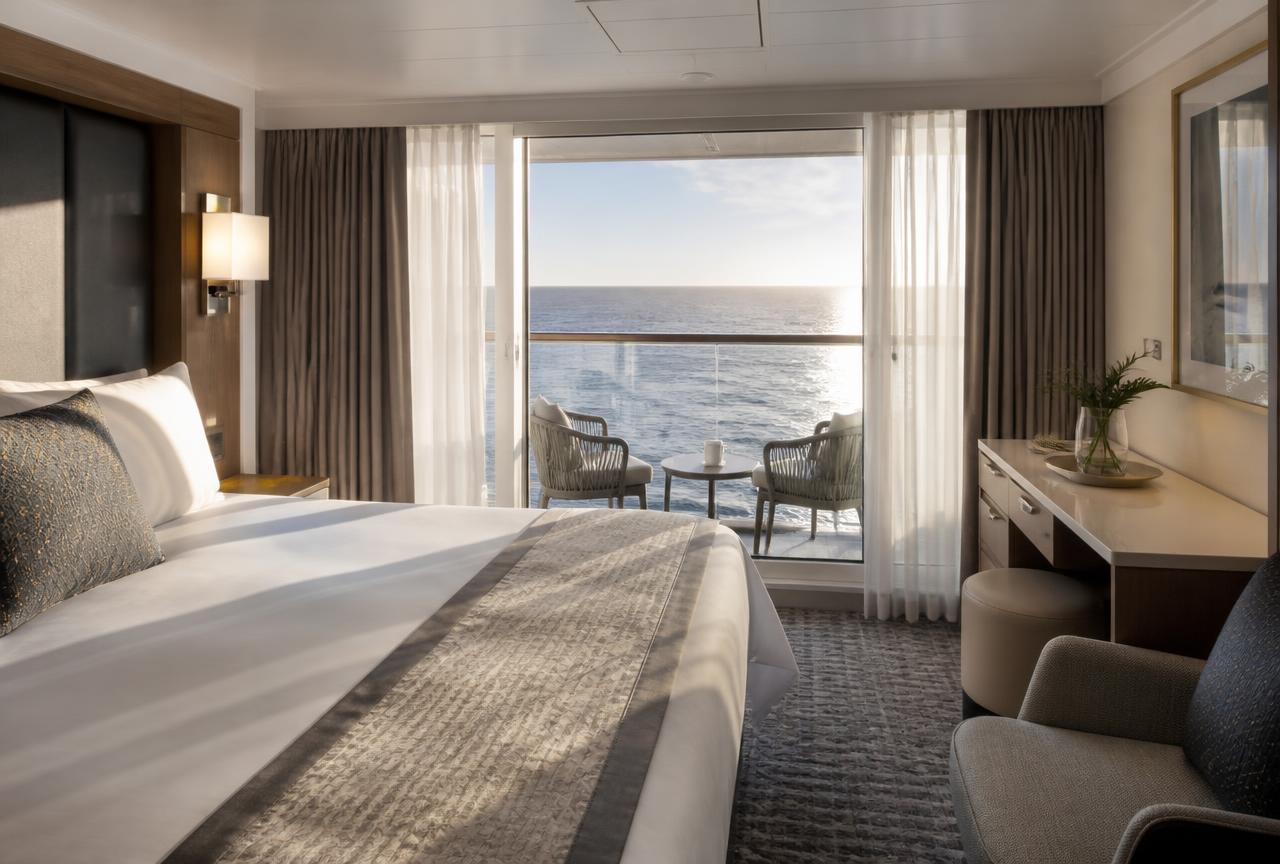
Inside, Oceanview or Balcony: Which Cruise Cabin Is Right for You?
Inside, oceanview or balcony? A practical decision guide to cabin categories, ship location, guarantee fares and when the balcony upgrade is genuinely worth the money.
Read Dispatch
12 min read
From Ship to Saddle: A Practical Guide to Cruise and Cycling Vacations
There is a real difference between a cruise that offers a bike tour and a cycling holiday that happens to float. Here is how to tell them apart and plan the one you want.
Read Dispatch
11 min read