
Rhine vs. Danube: Which Is Better for Your First European River Cruise?
Two of Europe's most popular rivers offer very different experiences. Here's what Ontario travellers should know before choosing their first European river cruise.
Eric Mallari9 min read
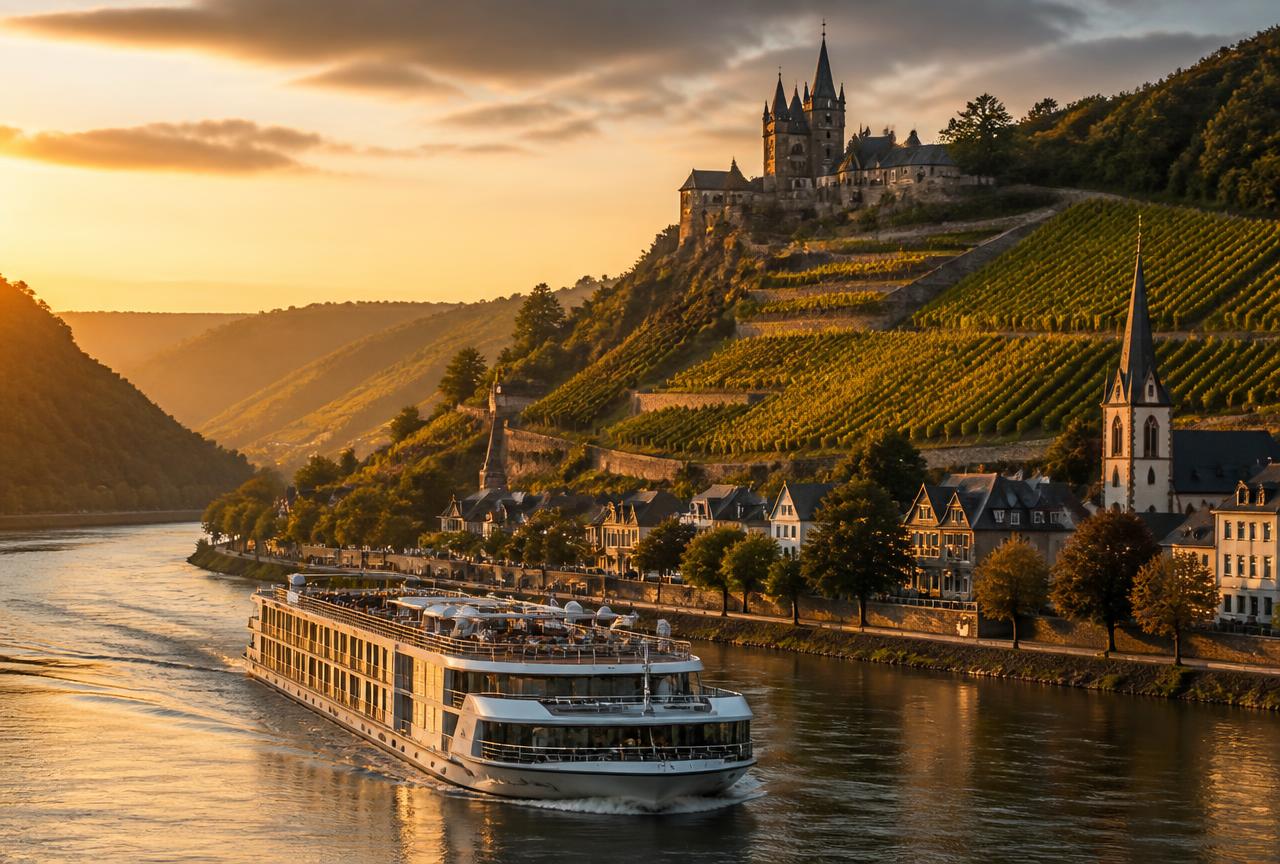
Choosing your first European river cruise can feel surprisingly complicated. You start looking at itineraries and suddenly you're comparing rivers, cruise lines, ships, cabin categories, excursions, airfare, pre cruise hotels and a long list of European cities you'd love to visit. For many first time river cruisers, however, the decision eventually comes down to two names: the Rhine or the Danube. Both are excellent introductions to European river cruising. Both combine historic cities, smaller communities, beautiful scenery, regional food and wine, and the convenience of unpacking once while your hotel travels with you. But they offer distinctly different versions of Europe. So which should you choose?
The Rhine: The Europe You Picture in a Storybook
If castles, vineyards and medieval towns are what you imagine when you think about travelling through Europe, start with the Rhine.
Popular Rhine itineraries frequently travel between Amsterdam and Basel, visiting destinations such as Cologne, Rüdesheim and Strasbourg.
One of the great highlights is the Rhine Gorge, where castles overlook the river and vineyards climb the surrounding hillsides.
There's an unmistakably romantic quality to this part of Europe.
You can spend a morning exploring a historic city, an afternoon passing castles from the ship and the following day wandering through another riverside community.
For many first time river cruisers, the Rhine delivers exactly what they hoped a European river cruise would feel like.
The Danube: Great Cities Connected by One River
The Danube tells a different story.
The classic upper Danube experience brings together some of Central Europe's most celebrated destinations: Vienna. Budapest. Bratislava. Passau. Linz. Melk.
Between those cities are vineyards, monasteries, villages and countryside, including Austria's beautiful Wachau Valley.
The Danube therefore offers a wonderful combination of major cultural destinations and quieter landscapes.
If seeing Vienna and Budapest has been sitting on your travel wish list for years, the Danube may be the easier decision.
Rhine vs. Danube at a Glance
- Choose the Rhine if you're dreaming about: Castles and dramatic river scenery; vineyards and wine villages; medieval towns; Amsterdam, Cologne and Strasbourg; a romantic introduction to European river cruising.
- Choose the Danube if you're dreaming about: Vienna and Budapest; several Central European countries in one journey; music, architecture and imperial history; the Wachau Valley; a mixture of major cities and countryside.
Neither river is objectively better. They're simply different.
Which Is Better for a First River Cruise?
For someone who tells me, “I've never been on a river cruise and I just want the classic European experience,” I would probably start by showing them the Rhine.
The castles, vineyards and historic communities provide an immediate sense of place.
But destination preferences can quickly change that recommendation.
If Vienna and Budapest are two places you've always wanted to experience, I'd have no hesitation recommending the Danube as your first river cruise.
The most important thing is not choosing the river everyone else says is best. It's choosing the itinerary that contains the places you're most excited to wake up and explore.
What Is Actually Included?
This is where comparing river cruises becomes more important than simply comparing advertised prices.
River cruise fares can include considerably more than many travellers expect, but inclusions vary by cruise line.
Depending on the operator and itinerary, your fare may include meals onboard, selected beverages, WiFi, port charges and a choice of excursions.
Some companies include more than others. Some excursions may carry an additional charge. Airfare and pre or post cruise hotels may also be separate.
That is why two cruises travelling almost the same river can have noticeably different prices.
The lowest advertised fare isn't necessarily the best value.
Excursions Matter More Than You Might Think
Your ship is important. But on a river cruise, much of your vacation happens off the ship.
Look carefully at the excursions included with each itinerary.
Traditional walking tours remain popular, but many cruise lines now provide alternatives that can include cycling, hiking, e-bike rides, culinary experiences and more immersive local activities.
If mobility is a consideration, look for slower paced excursion choices. If you prefer being active, look for itineraries with more energetic options.
And if you enjoy exploring independently, examine how long the ship actually remains in each destination.
Two cruise lines can visit many of the same cities while providing quite different experiences on land.
When Should You Cruise?
There isn't one perfect month for everyone.
Spring can bring cooler temperatures and beautiful landscapes.
Summer offers long daylight hours and warm weather but can also bring larger crowds and hotter temperatures.
September and October can be particularly appealing for travellers who prefer autumn scenery and somewhat cooler sightseeing weather.
Then there is an entirely different experience: Christmas market season.
Late November and December Rhine and Danube itineraries transform many of these destinations into festive Christmas market journeys.
If European Christmas markets have always been on your list, choosing the season may actually be more important than choosing the river.
What Ontario Travellers Should Consider
For travellers starting in Ontario, the European flight arrangements deserve almost as much attention as the cruise itself.
Many Rhine itineraries begin or end around Amsterdam or Basel. Danube cruises frequently use gateways connected with cities such as Budapest, Vienna and other Central European destinations, depending on the itinerary.
Don't automatically choose flights solely because they're cheapest. Look at the entire journey.
How many connections are involved? What time will you arrive? How far is the airport from your embarkation point? What happens if your flight is delayed?
And perhaps most importantly, should you arrive early?
For a European river cruise, I generally like the idea of arriving at least a day before embarkation rather than planning an overseas flight to connect with the ship on the same day.
It provides breathing room after the flight and gives you some time to adjust before the cruise begins. It can also turn your embarkation city into another part of the vacation.
Consider a Pre or Post Cruise Stay
This is one of the easiest ways to make a European river cruise better.
If your Rhine cruise begins or ends around Amsterdam or Basel, consider spending additional time there.
If your Danube journey connects with Budapest or another major city, an extra night or two can allow you to explore without constantly checking your watch.
The cruise doesn't necessarily need to be the entire vacation.
Sometimes the best itinerary is: a few days in Europe + river cruise + another day or two afterward.
What About River Levels?
This is something every river cruiser should understand.
Unlike an ocean cruise, river cruising depends on the navigability of the river itself.
Water levels can occasionally become too high or too low for a ship to safely travel through a particular section.
That has been particularly relevant in 2026, with unusually low water affecting sections of both the Rhine and Danube and causing itinerary modifications and some cancellations.
Cruise companies have different contingency plans. Depending on the circumstances, they may change an itinerary, substitute transportation, transfer guests between ships or make other arrangements. In more significant situations, a sailing can be cancelled.
You shouldn't necessarily avoid river cruising because of this. But you should understand the possibility before you book.
How Do You Compare Cruise Lines?
Don't begin with the logo on the ship. Begin with what matters to you.
Ask: What is included in the fare? Which excursions are included? How much choice do I have each day? How much time will I actually spend in port? What type of cabin do I want? Are gratuities included? What beverages are included? How active are the excursions? Are there optional pre and post cruise programs? How does the company handle unexpected river conditions? And what is the total cost once airfare, hotels and extras are considered?
Cruise lines including AmaWaterways, Avalon Waterways, Viking, Scenic and others offer Rhine and Danube itineraries, but they don't all package the experience the same way.
The best cruise line is the one that fits the way you want to travel.
Which Offers Better Value?
This is difficult to answer with a single number.
River cruise pricing changes based on departure date, ship, cabin category and deck, promotions and availability.
The important number isn't necessarily the advertised starting price. It's your total trip cost.
That means considering cruise fare, cabin category, airfare from Canada, pre and post cruise hotels, transfers, optional excursions, gratuities, insurance, and anything else not included in the cruise fare.
A cruise that appears more expensive initially can sometimes offer better overall value if more of your vacation is already included.
Rhine or Danube?
Here's the simplest way I know to decide.
If your European river cruise dream involves castles, vineyards, medieval towns and romantic scenery, start by looking at the Rhine.
If your dream involves Vienna, Budapest, Central European culture and moving between several fascinating countries, start with the Danube.
Then compare the actual itineraries. Look at the cities. Look at the excursions. Look at what's included. Look at how much time you'll have in the destinations that matter most to you. And only then compare prices.
Because your first European river cruise shouldn't simply be the one that looked best in an advertisement. It should be the one that feels most like your Europe.
The Ontario Cruise Center Takeaway
There really isn't a winner in the Rhine versus Danube debate.
The Rhine offers one of Europe's great scenic journeys. The Danube connects some of Europe's great cultural capitals.
Both can make an outstanding first river cruise.
The better question isn't: which river is better? It's: what do I want to experience when I get there?
Answer that first, and choosing your river becomes much easier.
Comparing the Rhine and the Danube?
If you'd like help matching the right river, itinerary and cruise line to the way you want to travel, send me a few details and I'll walk you through the options — no pressure, just practical guidance.
Found this helpful? Share it with your travel crew
Related dispatches
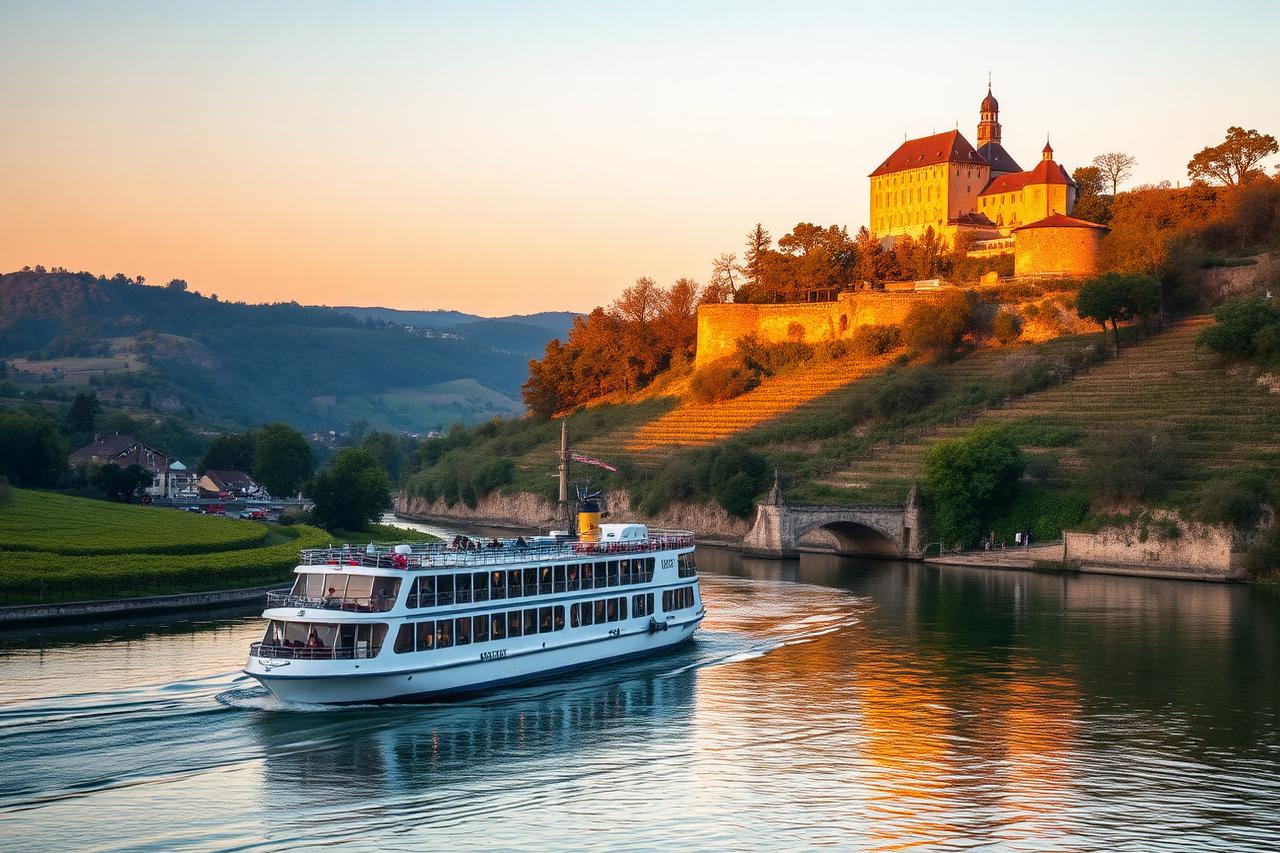
How to choose the right deck on a European river ship
River ships are small, so deck choice changes your whole week. Here is how I weigh light, sightlines, stairs and budget before recommending a cabin.
Read Dispatch
7 min read
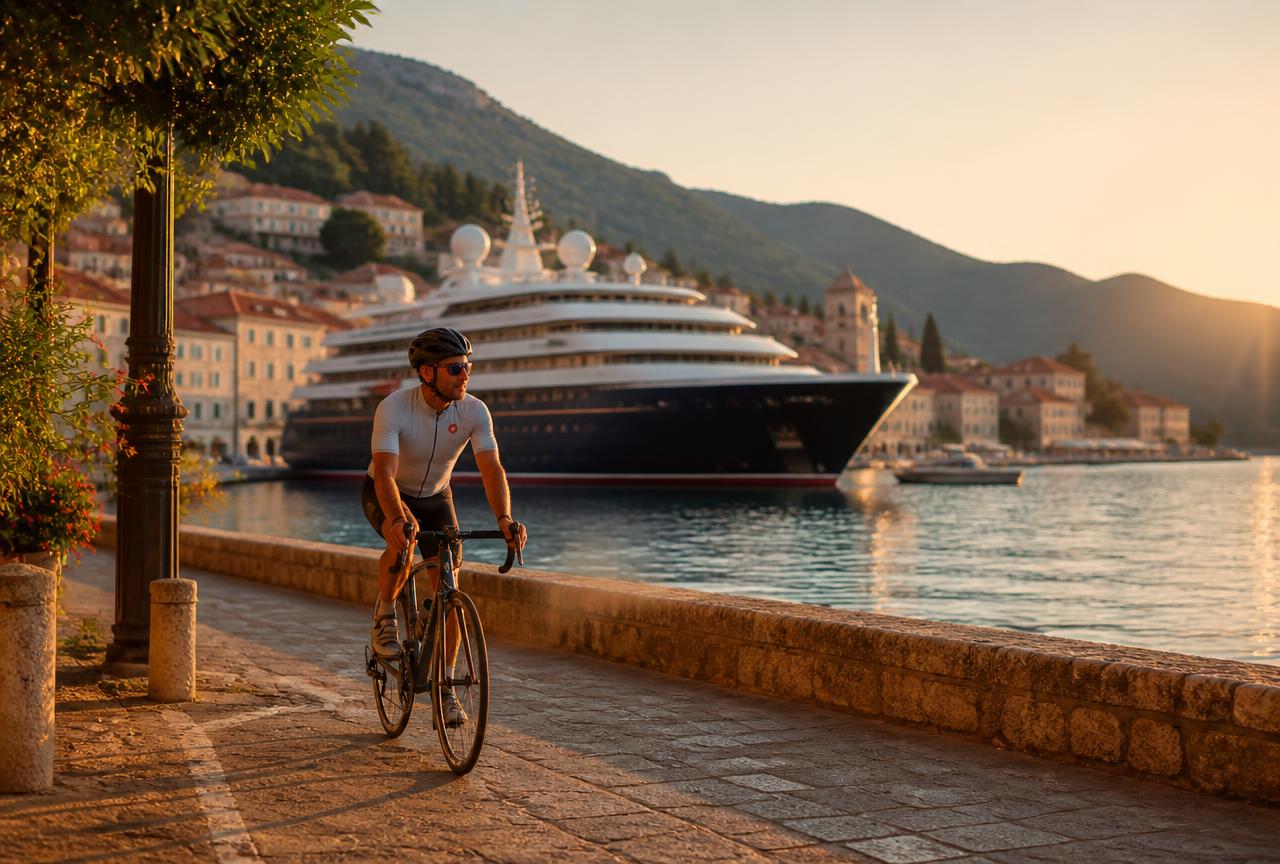
From Ship to Saddle: A Practical Guide to Cruise and Cycling Vacations
There is a real difference between a cruise that offers a bike tour and a cycling holiday that happens to float. Here is how to tell them apart and plan the one you want.
Read Dispatch
11 min read
How Far in Advance Should You Book a Cruise? A Complete Canadian Planning Guide
The best time to book a cruise depends far more on your itinerary and cabin needs than on chasing a last-minute deal. Here are the booking windows I use with Canadian travellers.
Read Dispatch
11 min read