
A calmer way to plan Caribbean port days
How to choose shore excursions, pace a warm-water week and come home rested rather than exhausted
Eric Mallari7 min read
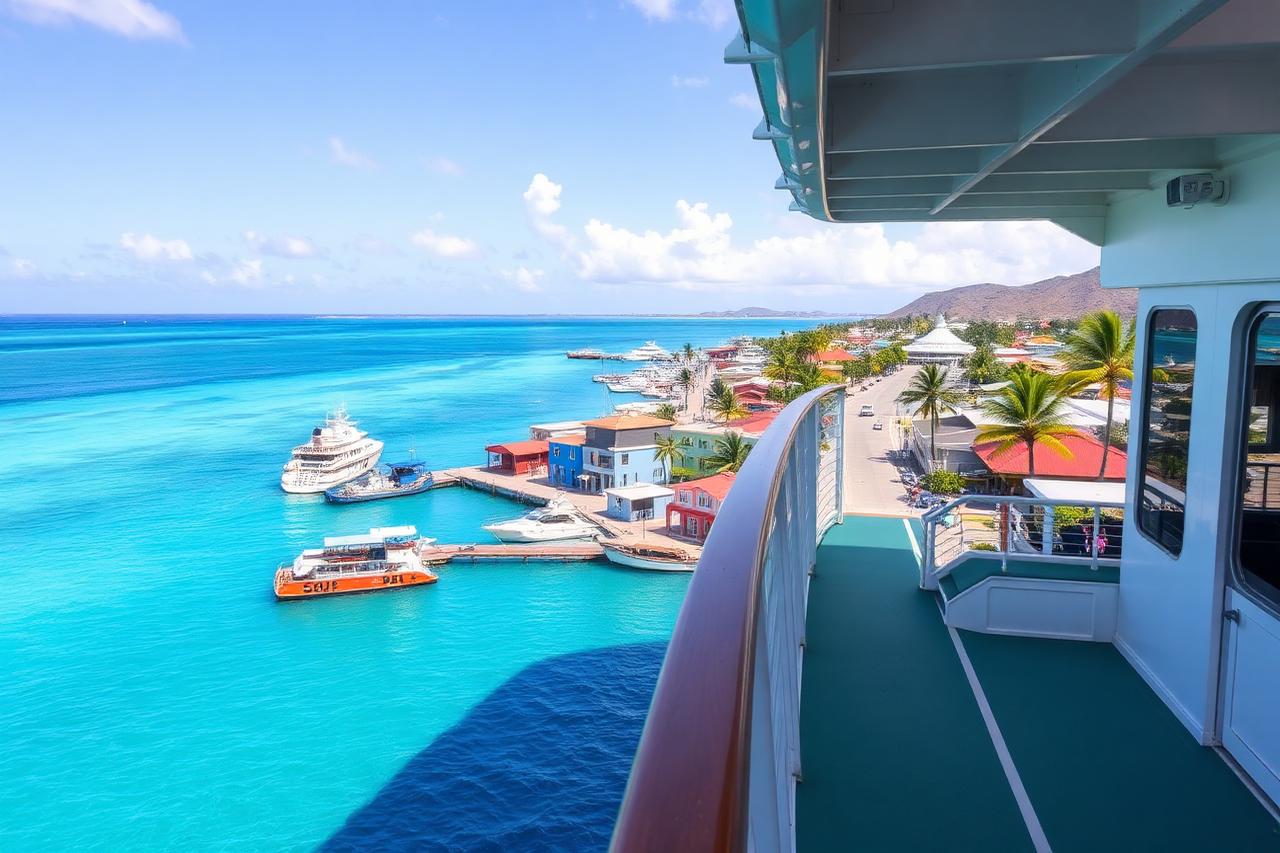
The most common regret I hear after a Caribbean sailing is not a missed sight — it is coming home needing another holiday. Port days reward planning, but they punish over-planning. When you wake up somewhere new every morning, the temptation is to book an early excursion at every stop. By day four, a lot of travellers are tired, sunburned and finding the islands blur together. A good Caribbean week balances exploring with actually resting.
1. Pick one anchor day
Choose the single port that made you book the itinerary in the first place — the reef, the ruins, the rainforest, the beach club — and build the week around it.
One well-chosen experience per port is usually plenty. A Caribbean call is often seven or eight hours from gangway to all-aboard, and once you subtract disembarkation, transport each way and time to eat, a single unhurried activity fills the day comfortably. Two stacked activities usually means watching the clock through both.
- Build around the highlight: Make that one day the headline event and let the other ports breathe. It is easier to add something later than to recover from a week of early starts.
- Book the anchor early: Well-regarded local operators and small-group tours can fill months ahead, particularly in peak season. If one experience matters more than the rest, secure it first.
- Match it to your travel style: A snorkelling catamaran, a rainforest hike, a food and market walk and a quiet day on a beach chair are all legitimate versions of a good port day. The best one is the one your group would actually choose if nobody were watching.
2. Ship excursions or independent exploration?
Both work, and neither is inherently better. The right choice usually depends on the port, the activity and how much slack you want in the day.
Tours booked through the cruise line are coordinated with the ship's schedule, which generally gives you more protection if the tour runs late, and they are simple to arrange before you sail. They also tend to run in larger groups and cost more than the same activity booked locally.
Independent arrangements — a reputable local operator, a taxi to a beach, or simply walking into town — are often better value, smaller in scale and more flexible. The trade-off is that the timing is yours to manage, so you build the buffer yourself.
- Lean toward a ship tour when: The activity is a long drive from the pier, the port is tendered, the schedule is tight, or you would rather not organise anything on a holiday.
- Lean toward independent when: The attraction is close to the pier, you want a smaller group or a specific operator, or you simply want to wander at your own pace.
- Either way, research transport first: Before you step off, know roughly how you'll get where you're going and back — walking distance, taxi rates, whether fares are per person or per trip, and what currency is expected. That single piece of preparation removes most port-day friction.
3. Make the next day an easy one
Follow an active, high-mileage day with a walkable port — or stay onboard. The Caribbean is hot and humid for much of the year, and a full day in the sun takes more out of most people than the same day at home would.
Heat management is part of pacing. Mornings are generally cooler, shade and water are not always easy to find ashore, and an afternoon back on the ship is a perfectly good outcome rather than a wasted opportunity.
- The quiet-ship day: Ships are usually at their calmest when most guests are ashore. If the pool, the spa or a quiet corner with a book appeals, a port day you skip is often the best time for it.
- Docked versus tender: Check the port logistics before planning an ambitious morning. Where the ship berths alongside, you can generally walk off directly. At a tender port, you go ashore by small boat, which adds waiting time in both directions and can make a short outing feel long. Tender operations can also be adjusted or cancelled if sea conditions require it, so keep tender-port plans flexible.
- Near-port days count: Some of the best Caribbean afternoons are a short walk from the pier — a town square, a market, a local lunch, a beach within a ten-minute taxi ride. Not every port needs an itinerary.
4. Leave one day completely open
Weather changes, fatigue arrives, and the best recommendations often come from someone you meet onboard. One unplanned day gives you room for all of it.
It is also your weather buffer. Caribbean rain is frequently brief and localised, but an open day means a wet morning can become an afternoon plan instead of a lost prepaid tour.
- Freedom to change your mind: An open day means you can stay aboard, wander into town, or take up a suggestion on the spot without feeling you have wasted a booking.
- Room for different energy levels: If you're travelling as a group, an open day lets people split up for a few hours — the beach for some, the town for others — and meet back for dinner without negotiating a single plan.
5. Timing and getting back to the ship
Every port has an all-aboard time, published in the daily programme, and returning by it is the passenger's responsibility. Knowing how your arrangements affect that is enough; there is no need to plan the day around anxiety.
Excursions booked through the cruise line are coordinated with the ship's schedule, which generally gives you more protection if a tour runs late. Independent arrangements can be excellent — and sometimes better value — but the timing risk sits with you. Neither choice is wrong; the sensible approach is to leave a bigger buffer when you have organised the day yourself, and a bigger one again at a tender port or when the activity is a long drive from the pier.
Mobility is worth factoring in for the same reason. Gangway angles change with the tide, tender boarding involves a step across moving water, and some historic port towns are cobbled and steep. If anyone in your group moves slowly, plan a shorter distance rather than a tighter schedule.
Let me map the week for you
If you would rather not work out which ports are tendered, which beaches suit your group and how to pace the week, that is exactly what I do.
Send me the Caribbean sailing you're considering and I'll suggest a port rhythm for it. If you're still choosing a cabin for the sailing, our cabin guide covers whether a balcony is worth it on a port-intensive week.
Ready to map your Caribbean week?
Send me the sailing you're considering and I'll structure your port days so you come home refreshed — not like you need another vacation.
Found this helpful? Share it with your travel crew
Related dispatches

Fly Direct or Drive: The Best Cruise Ports Accessible to Ontarians
Should you fly to Florida or drive to a nearby port? Here is how Ontario cruisers weigh direct flights, drive times, pre-cruise hotels and embarkation-day logistics.
Read Dispatch
7 min read
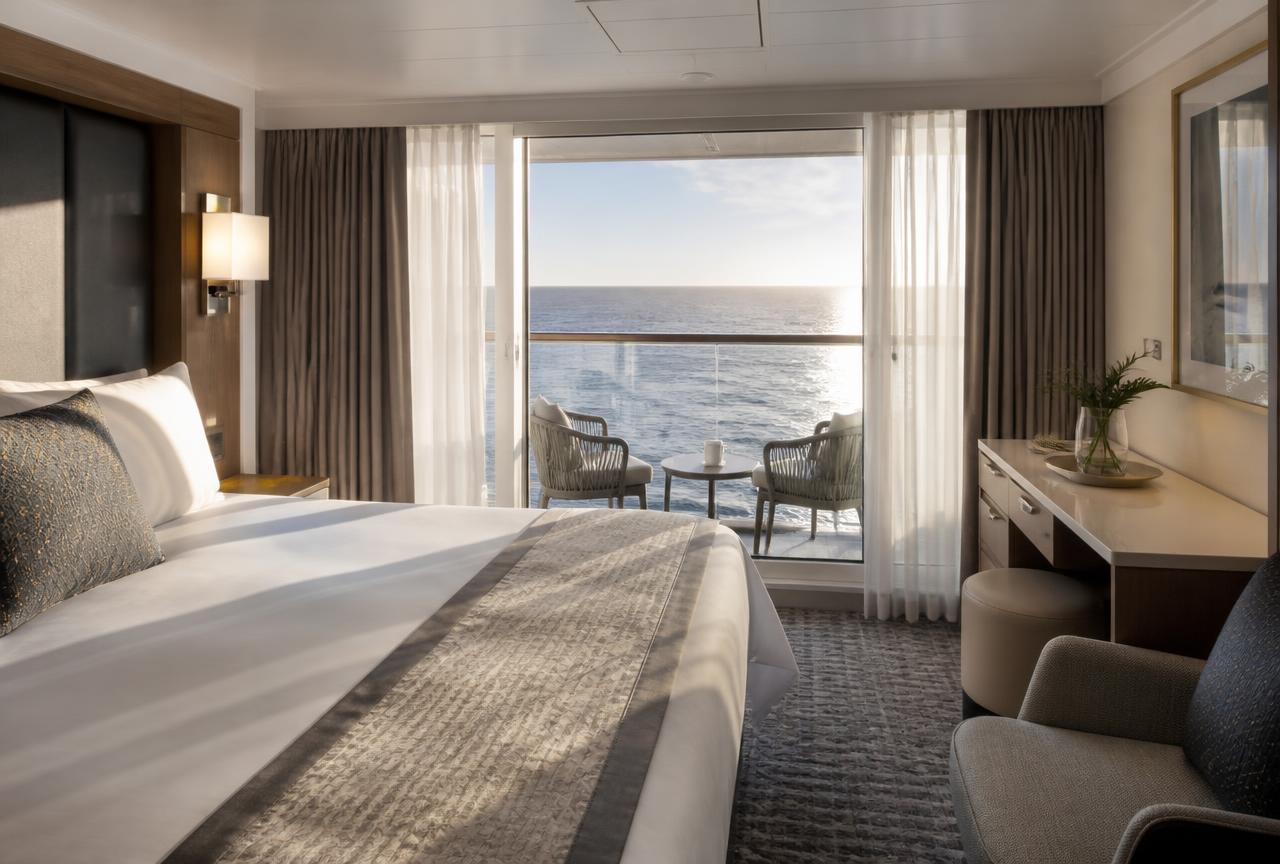
Inside, Oceanview or Balcony: Which Cruise Cabin Is Right for You?
Inside, oceanview or balcony? A practical decision guide to cabin categories, ship location, guarantee fares and when the balcony upgrade is genuinely worth the money.
Read Dispatch
12 min read

Beyond the Caribbean: Cruise Destinations Worth Considering for Your Next Voyage
The Caribbean is an easy first cruise for good reason. If you're ready for something different, here is how the main alternatives compare on scenery, pace and planning.
Read Dispatch
9 min read