
Beyond the Caribbean: Cruise Destinations Worth Considering for Your Next Voyage
Alaska, the Mediterranean, Northern Europe, river cruising, expedition sailing and the Great Lakes — who each one suits, and what to plan for
Eric Mallari9 min read
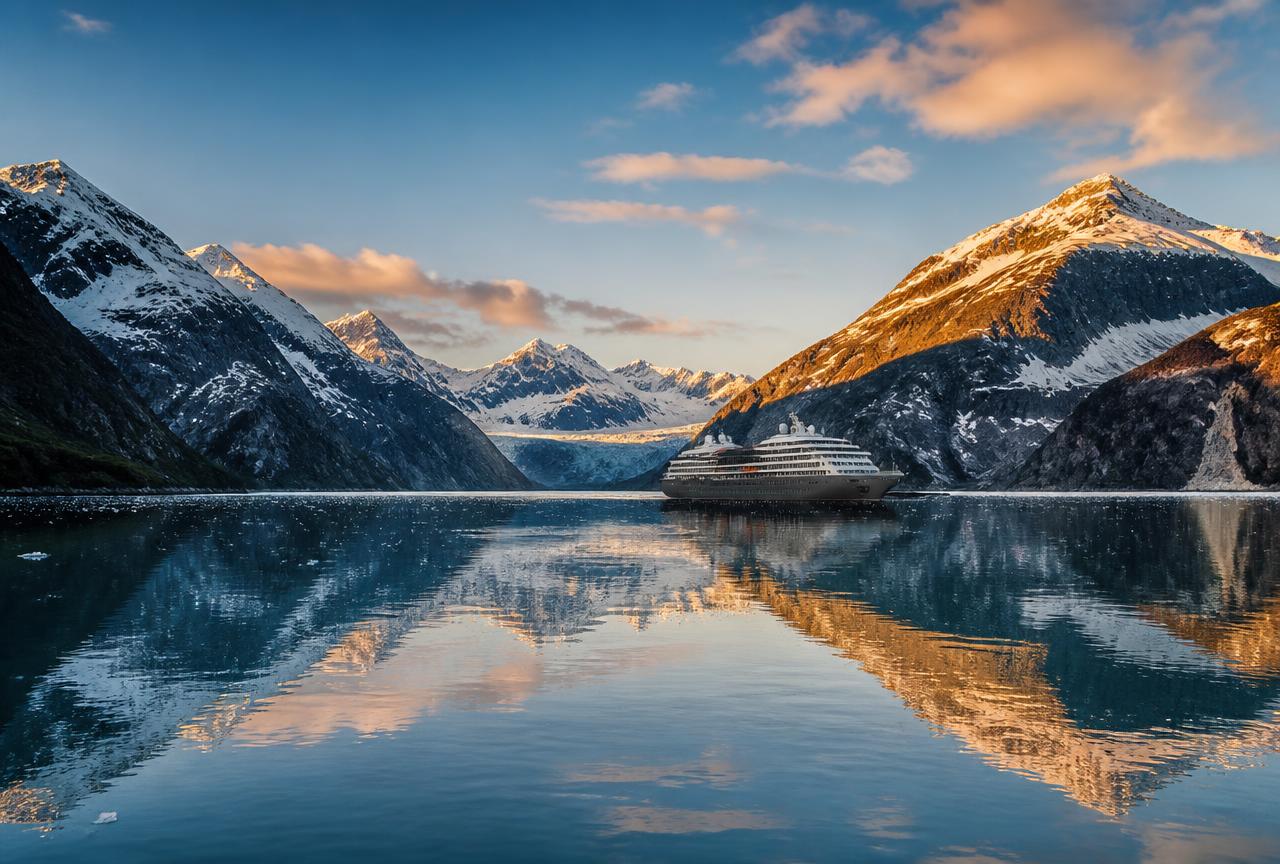
For a lot of Canadians, "let's go on a cruise" still means a warm week island-hopping in the Caribbean — and that remains an excellent holiday, particularly in February. But it is only one of several very different ways to cruise, and travellers who have done a few warm-water sailings often find the next trip they enjoy most looks nothing like the first. This is a plain comparison of the main alternatives: what each one actually feels like, who tends to enjoy it, when it sails, and what to think about when planning from Ontario.
Alaska: scenery-first, and close to home
Alaska is often the first step away from the Caribbean for Canadian travellers, partly because it is reachable without a transatlantic flight. The appeal is landscape rather than beach: glaciers, forested coastline, and wildlife viewing from the deck as much as from an excursion.
- Who it suits: Travellers who want dramatic scenery and are happy in layers rather than swimwear. It also tends to work well across generations, because much of the experience happens onboard and ashore at a shared pace.
- Season: A defined summer season, roughly late spring through early autumn, with weather and daylight changing noticeably across it.
- Planning notes: Balcony cabins carry more value here than on many itineraries because the scenery passes by the ship — our cabin guide covers when that upgrade is worth it. Cruisetour add-ons inland are common and lengthen the trip.
The Mediterranean: a different country most mornings
Mediterranean sailings are port-driven. You unpack once and wake up somewhere new — Italian, Spanish, Greek, Croatian, French — with the ship acting mainly as transport and hotel between full days ashore.
- Who it suits: People who like history, food and cities, and who don't mind busy days. It rewards curiosity more than relaxation.
- Activity level: Higher than most Caribbean weeks. Old towns mean cobblestones, hills and walking; excursion descriptions are worth reading carefully if mobility is a consideration.
- Season: A long season from spring into late autumn. Midsummer brings the warmest weather and the largest crowds; shoulder months are often more comfortable for sightseeing.
- Planning notes: Flights are the bigger variable, not the cruise. Building in a night or two before embarkation is generally sensible — see our guide to ports and travel-day logistics.
Northern Europe and the Norwegian fjords
Northern itineraries trade heat for landscape and long daylight: fjords, Iceland, the Baltic capitals. The pace is generally calmer than the Mediterranean, and the scenery does more of the work.
- Who it suits: Travellers who prefer cool weather, quieter ports and a contemplative trip over a poolside one.
- Season: A shorter summer window than the Mediterranean, with the best daylight in the middle of it.
- Planning notes: Pack for changeable conditions regardless of the month, and expect scenic cruising days where the deck matters as much as the port.
European river cruising: small ships, city-centre docking
A river ship carries a fraction of an ocean vessel's guests and often ties up within walking distance of the town centre. There is less onboard entertainment and more time ashore, and the landscape is continuously visible from the ship.
- Who it suits: Travellers who want depth over variety, and who like the idea of stepping off the ship straight into a town rather than onto a shuttle bus.
- What to know: Deck and cabin choice matters more on a small ship than a large one — our river ship deck guide explains the trade-offs. If you're choosing a first river, the Rhine and the Danube suit different travellers.
- Season: Spring through autumn on most rivers, with festive-season sailings in late autumn and December on several routes.
Expedition and small-ship cruising
Expedition sailing is a category rather than a place: small vessels, naturalists and lecturers onboard, zodiac landings, and itineraries that can flex with conditions. Destinations range from the Arctic and Antarctic to remote coastlines and island groups.
- Who it suits: Travellers whose priority is wildlife, wilderness and learning, and who are comfortable with a flexible itinerary and fewer onboard facilities.
- What to expect: Higher fares per day, smaller guest numbers, and more physical participation. Inclusions differ substantially between operators, so compare what the fare covers rather than the headline number.
- Planning notes: Departures are limited and can fill well ahead. These are the itineraries where early planning matters most.
The Great Lakes: cruising without a flight
Great Lakes and St. Lawrence sailings are expedition-scale rather than resort-scale, focused on shoreline communities, history and nature. For Ontario travellers the standout feature is proximity — depending on the itinerary, embarkation can be a drive rather than a flight.
- Who it suits: Travellers who want a short, low-logistics trip and are interested in the region itself rather than onboard amenities.
- What to know: A short season, small ships, and deployments that change from year to year. Confirm current sailings for the season you intend to travel.
Planning considerations when you sail further afield
The cruise itself is usually the straightforward part. The differences from a Florida departure show up around it.
- Seasonality is narrower: Alaska, Northern Europe, the Great Lakes and most river routes operate defined seasons, so your dates are less flexible than a year-round Caribbean itinerary.
- Air travel is a bigger factor: Long-haul flights, connections and time zones affect cost, fatigue and how much buffer you want before embarkation.
- Trips tend to run longer: Once you have flown to Europe, adding pre- or post-cruise nights is often worth the airfare — and it changes the total budget.
- Cabin value shifts: On scenery-led itineraries, where you sit on the ship changes the experience more than it does on a port-hopping warm-water week.
- Timing your booking: Popular seasons, preferred cabin categories and smaller ships can sell through early. Our booking-window guide sets out realistic timelines by region.
Choosing your next destination
A useful starting point is what you liked and disliked about your last trip. If the ports felt rushed, a river or expedition itinerary will suit you better than a busier Mediterranean route. If the ship was the highlight, a large vessel on a scenic itinerary keeps that while changing the view. If the heat was the problem, Alaska or Northern Europe solves it directly.
There is no ranking here — only a better or worse fit for the trip you have in mind. Tell us how you want the week to feel and we can narrow the options to a handful worth comparing properly.
Thinking About Sailing Somewhere New?
Tell us what appealed about your last cruise and what you'd change. We'll suggest destinations, seasons and ships that fit — and compare the options honestly.
Found this helpful? Share it with your travel crew
Related dispatches
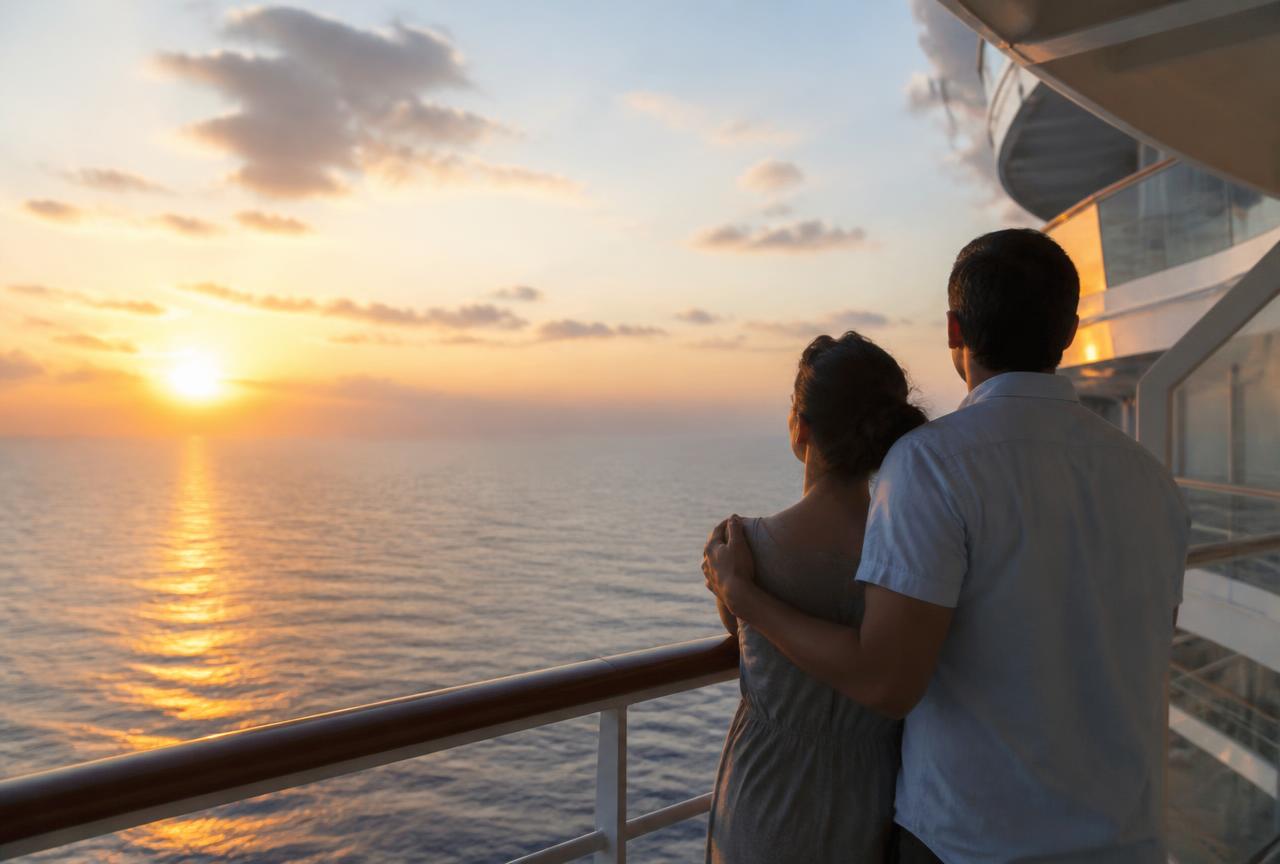
How Far in Advance Should You Book a Cruise? A Complete Canadian Planning Guide
The best time to book a cruise depends far more on your itinerary and cabin needs than on chasing a last-minute deal. Here are the booking windows I use with Canadian travellers.
Read Dispatch
11 min read
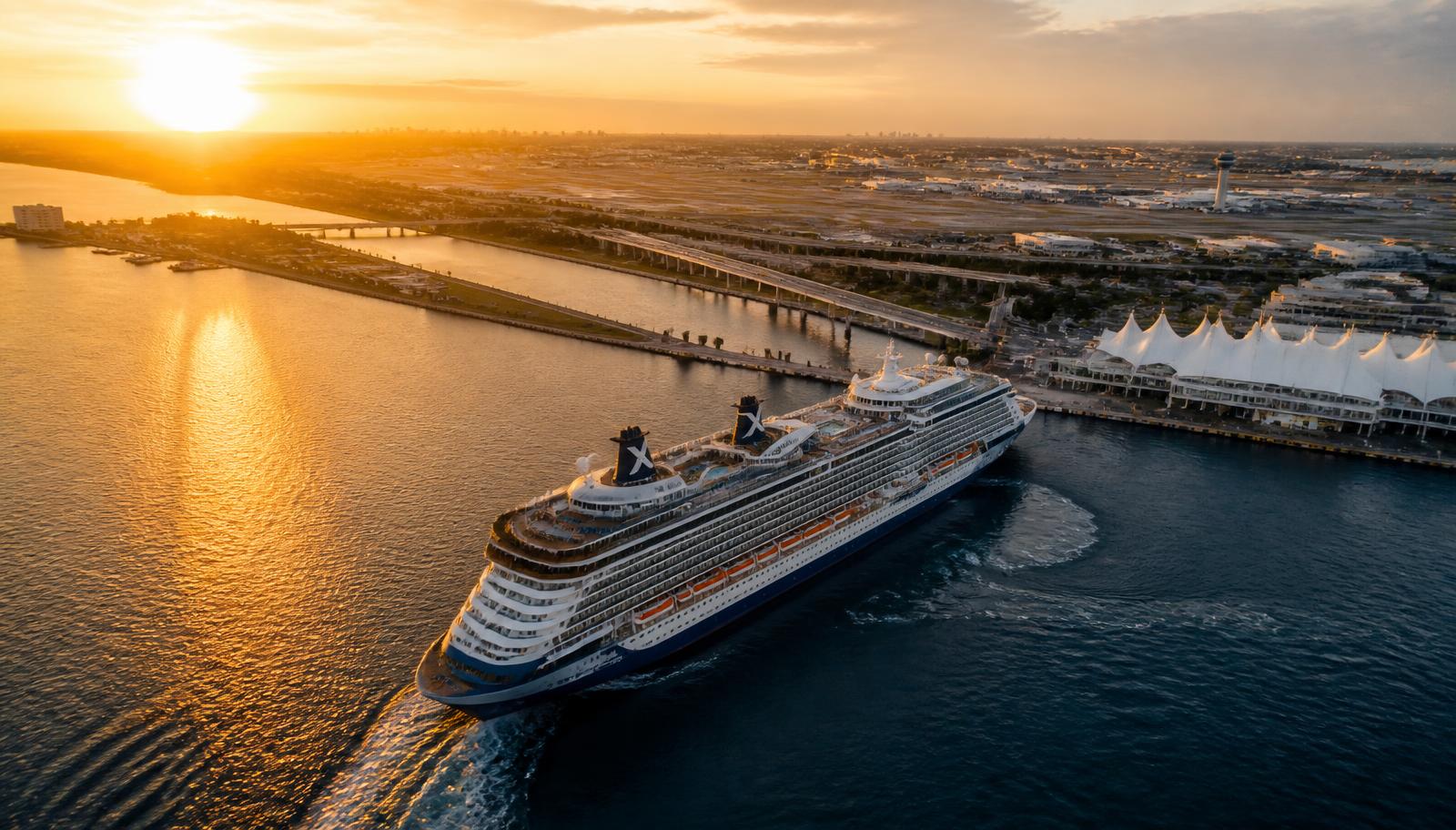
Fly Direct or Drive: The Best Cruise Ports Accessible to Ontarians
Should you fly to Florida or drive to a nearby port? Here is how Ontario cruisers weigh direct flights, drive times, pre-cruise hotels and embarkation-day logistics.
Read Dispatch
7 min read
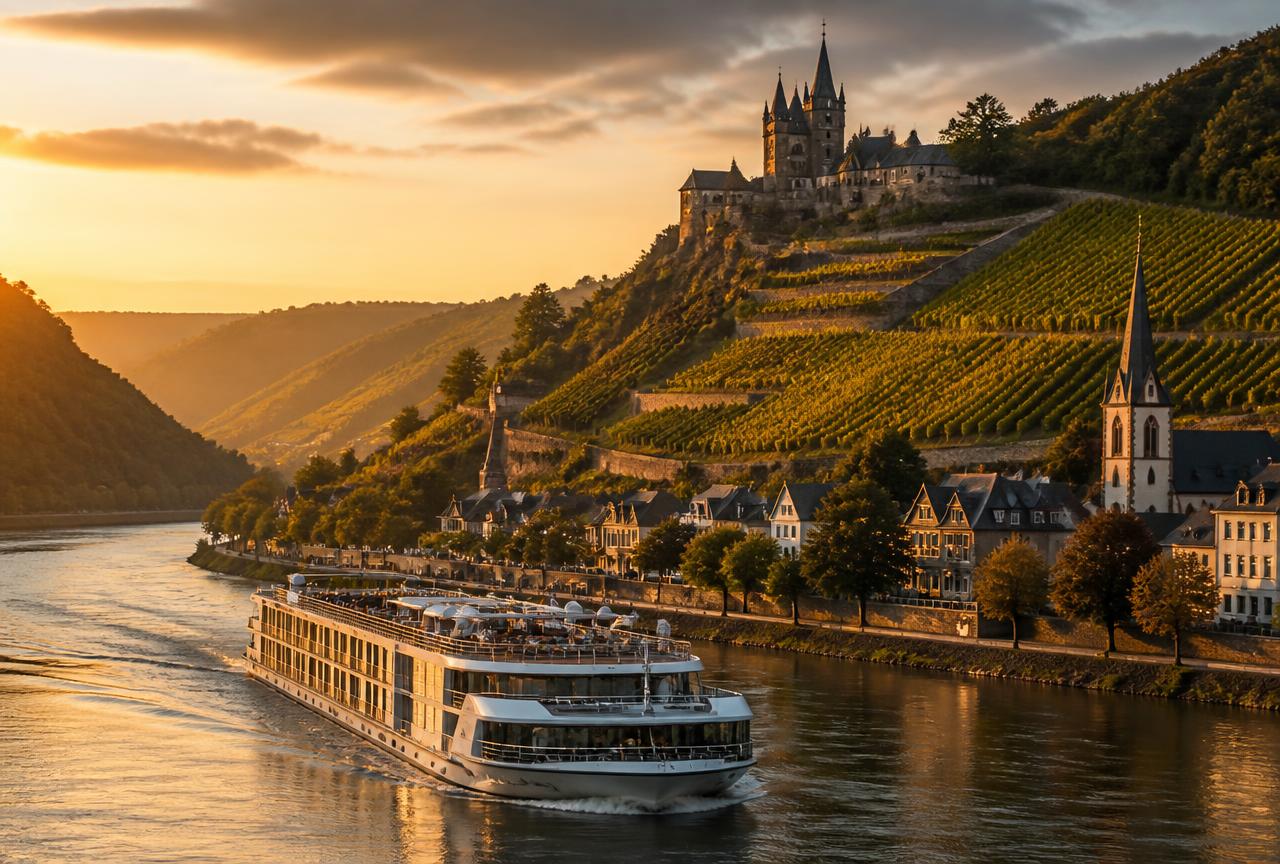
Rhine vs. Danube: Which Is Better for Your First European River Cruise?
Castles and vineyards, or Vienna and Budapest? A practical comparison of Europe's two most popular river cruise routes for Canadians booking their first sailing.
Read Dispatch
9 min read