
Why Does One Cruise Cost $2,000 While Another Costs $20,000?
Understanding What You’re Really Paying For
Eric Mallari9 min read
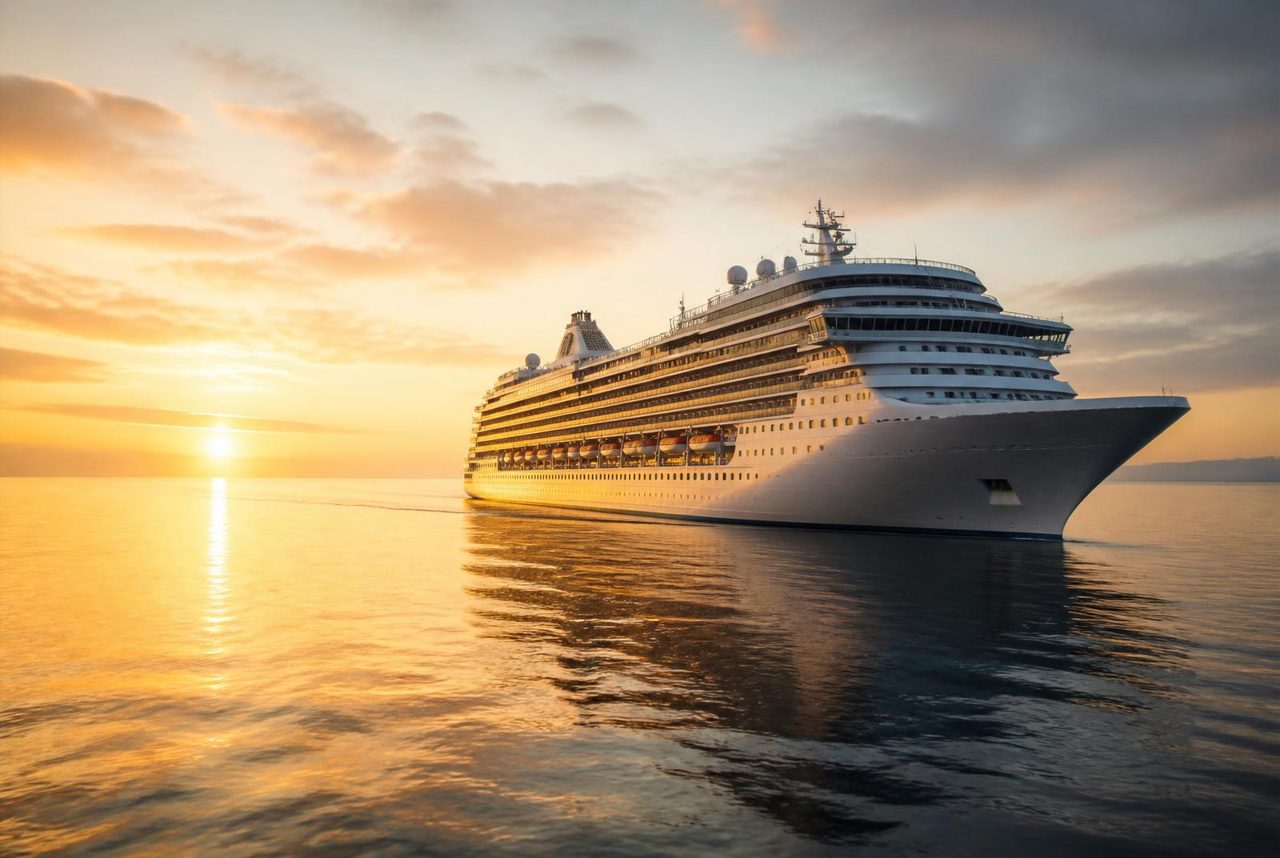
When you first begin browsing for a cruise vacation, the sheer span of pricing can feel staggering. You might find a seven-night Caribbean getaway for $500 per person, while an ultra-luxury expedition or a boutique river cruise along the Danube sits comfortably at $5,000 or more per person. For a couple, that translates to a difference between a $2,000 total vacation and a $20,000 investment.
Introduction: the great cruise price gap
It is reasonable to look at those numbers and wonder what could justify the difference for a week on the water.
The short answer is that a cruise fare reflects far more than the room you sleep in. Ship scale, the service model onboard, what the fare includes, the itinerary and the season all move the number, and they move it in different directions for different travellers. A higher fare does not simply buy a more expensive room — it may represent a different combination of space, service, inclusions, itinerary and overall experience.
1. The economics of scale: mega-ships vs. boutique vessels
The most fundamental driver of cruise pricing is capacity.
Mass-market cruise lines operate massive floating resorts that carry anywhere from 3,000 to over 6,000 passengers. These mega-ships benefit from massive economies of scale. Because they can spread their fixed operating costs across thousands of travellers, they can offer remarkably low base fares.
Conversely, luxury lines, high-end expedition ships, and river cruise vessels typically carry between 100 and 600 guests.
- Fewer passengers mean higher per-person overhead: A boutique ship requires a dedicated crew, fuel, and port fees, but it divides those costs among a tiny fraction of the guests.
- Intimate scale also opens up unique routing: Smaller ships can slide into shallow harbours, dock right in the heart of historic city centres, and navigate remote archipelagos that massive vessels cannot physically reach.
Cruise Advisor Insight
When you pay for a smaller ship, you are paying for physical access and breathing room. You are trading sprawling amusement-park amenities for quiet elegance, personalized service, and ports of call untouched by mass tourism.
2. What the fare includes
The most common mistake travellers make is comparing a base cruise fare with a largely inclusive one as though they were the same number. If you have never mapped out what a cruise fare actually includes, that is the place to start.
A $2,000 fare rarely stays $2,000 by the time you step off the ship. Depending on the line and the fare, specialty dining, service charges, Wi-Fi, drinks, shore excursions and transfers can all sit outside it.
Higher-fare brands generally bundle more, and some bundle a great deal — gratuities, drinks, Wi-Fi, excursions, and occasionally flights or a pre-cruise hotel. But inclusions vary substantially by brand, ship, fare type and promotion, and "luxury" is not a standardised term. The only reliable way to know is to read what a specific fare covers on a specific sailing.
3. The service model onboard
Service is one of the clearer differences between market segments, and it is largely a function of how many guests a crew is looking after and how the experience is designed.
On a large mainstream ship, service is organised for scale: efficient, structured, and built around systems that move thousands of people through dining rooms, theatres and gangways each day. It can be excellent, but it is necessarily standardised.
On smaller premium and luxury vessels, the crew is generally looking after far fewer guests, and the experience is designed around recognition and flexibility rather than throughput. Ratios differ by brand and ship, so treat any specific figure as something to check for the vessel you are considering.
- What tends to change: How often staff recognise you, how flexible dining is, how quickly requests are handled, and how much queuing the day involves.
- What does not: Crew professionalism. The difference is generally in the design of the operation, not the effort of the people running it.
A large part of a higher fare is human attention: fewer guests per crew member, and an operation designed around flexibility rather than volume.
4. Accommodation, from inside cabins to suites
Where you sleep accounts for a significant share of the price. On mainstream ships, a large part of the inventory is interior and oceanview cabins, with balcony and suite categories priced above them.
If you are weighing categories on a specific sailing, our guide to inside, oceanview and balcony cabins walks through when the upgrade earns its cost.
Many luxury and expedition ships are configured largely or entirely with balcony or suite accommodation, and entry-level cabins on those ships are often considerably larger than mainstream equivalents. When every room is built to that standard, the baseline fare rises accordingly.
5. Itinerary, season and demand
Two ships in the same segment can be priced very differently because of where and when they sail. Remote or seasonal regions carry higher operating costs and shorter selling windows; port-intensive itineraries carry higher port charges; peak school holidays and prime weather months price above shoulder season.
Length matters too, and not proportionally — a fourteen-night repositioning voyage can cost less per day than a seven-night peak-season sailing on the same ship.
Because demand and inventory move over time, when you book also affects what you pay. Our booking-window guide covers how that plays out by region and season.
Finding your value point
There is no objectively correct price for a holiday, only the right fit for the trip you want.
If you like energy, variety, entertainment and exploring ports independently, a mainstream voyage can represent very good value — particularly if you are disciplined about which extras you buy.
If you value quiet, enrichment, dining without upcharges and a fare that covers most of what you will use, a premium or luxury sailing may work out closer in real terms than the headline numbers suggest, and better suited besides.
Understanding what sits behind the price is what lets you compare two very different options on the same terms.
Compare the Real Value
If you're weighing cruises at very different price points, I can help you look past the headline fare and compare what actually differs — the cabin, the inclusions, the itinerary and the experience onboard. No pressure, no cost.
Found this helpful? Share it with your travel crew
Related dispatches
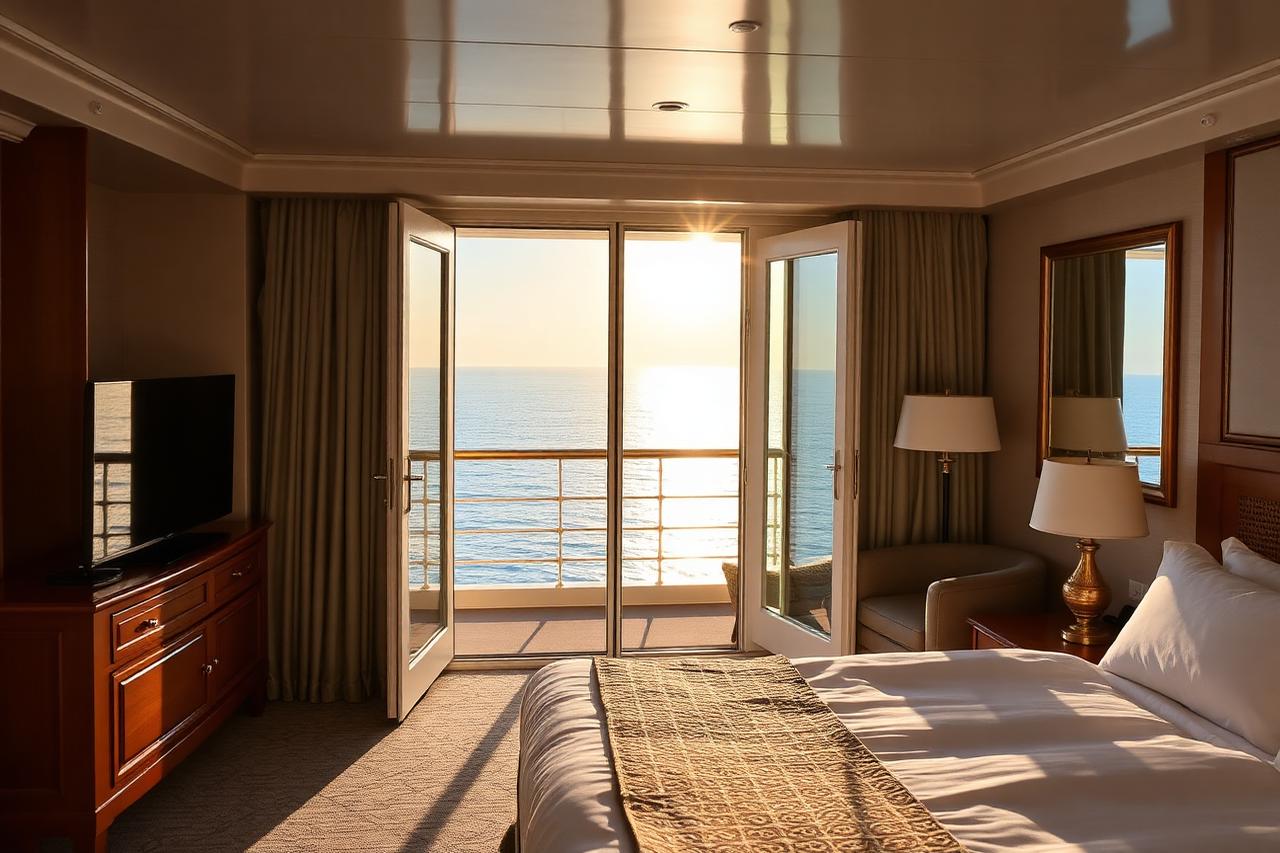
What is actually included in a cruise fare—and what is not
The advertised fare and the total cost of the holiday are not the same number. Here is every line item to account for before you put down a deposit.
Read Dispatch
10 min read
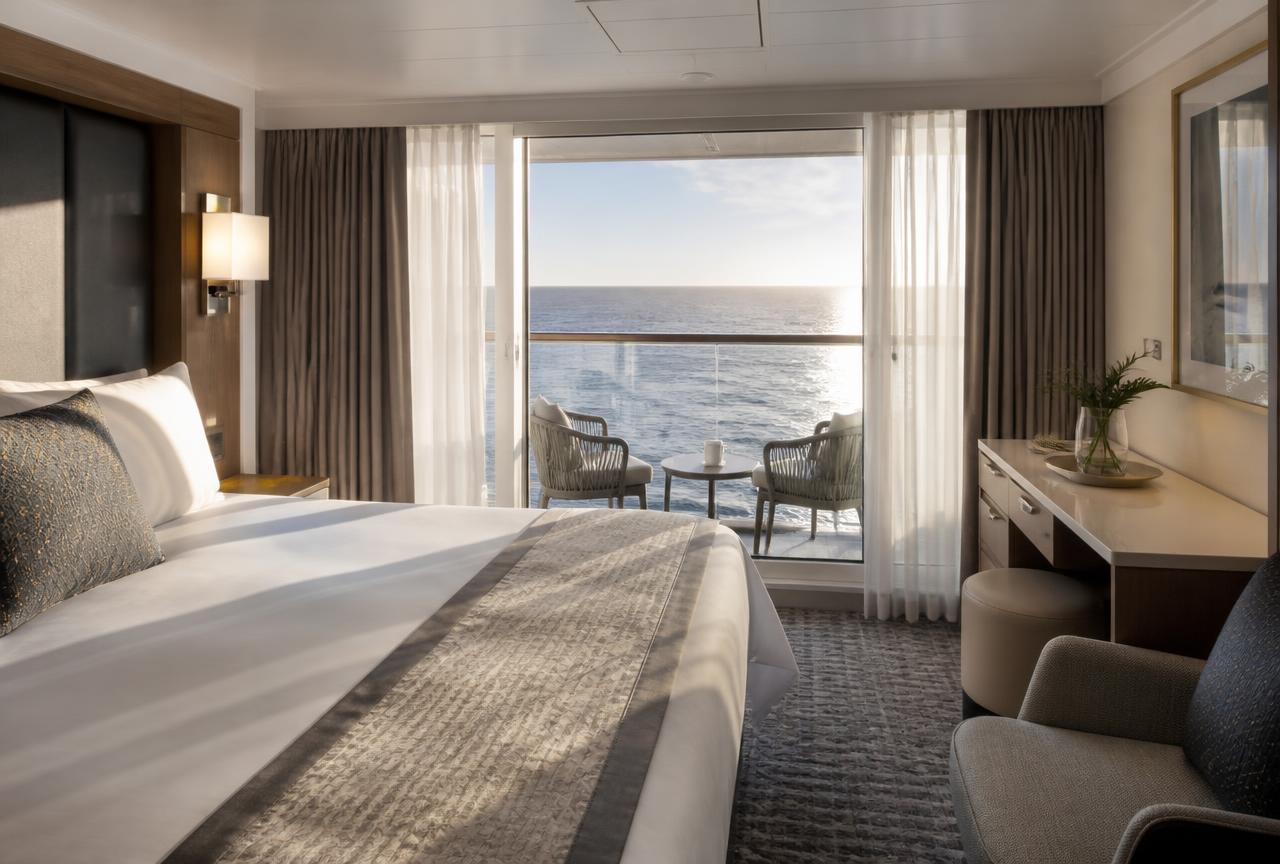
Inside, Oceanview or Balcony: Which Cruise Cabin Is Right for You?
Inside, oceanview or balcony? A practical decision guide to cabin categories, ship location, guarantee fares and when the balcony upgrade is genuinely worth the money.
Read Dispatch
12 min read

How Far in Advance Should You Book a Cruise? A Complete Canadian Planning Guide
The best time to book a cruise depends far more on your itinerary and cabin needs than on chasing a last-minute deal. Here are the booking windows I use with Canadian travellers.
Read Dispatch
11 min read