
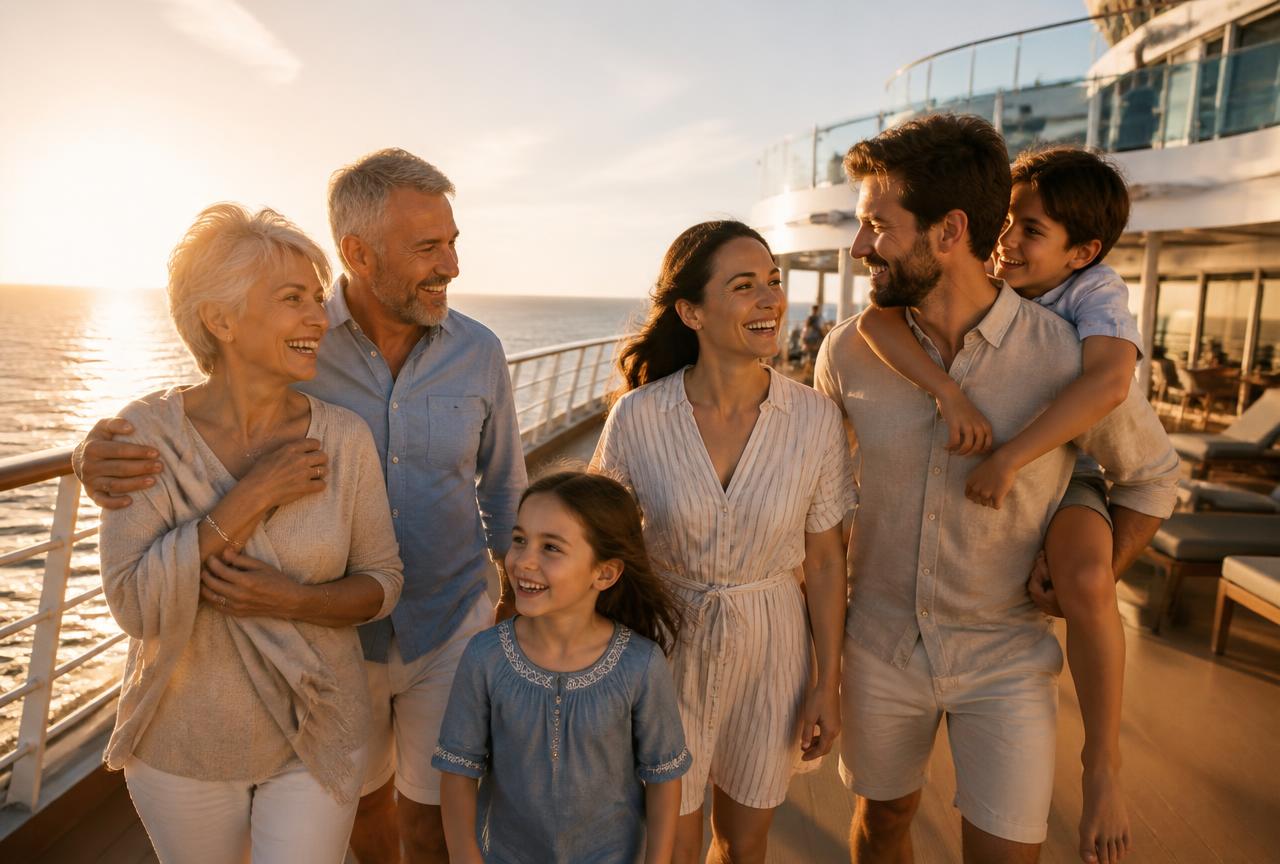
Multi-Generational Cruising: How to Keep Ages 7 to 70 Happy on the Same Ship
Eric Mallari6 min read
Trying to coordinate a standard land-based family vacation across three generations is often a masterclass in compromise—and exhaustion. Between syncing flight schedules, accommodating mobility limits, finding restaurants that satisfy picky seven-year-olds and food-forward adults, and managing differing budgets, the trip planner usually needs a vacation by the time they get home.
Why a ship suits a family group
Family groups have become a familiar sight on most mainstream ships, and the reason is structural rather than fashionable. A cruise solves several problems a land holiday creates at once: everyone sleeps in the same place, meals are handled, the destinations come to you, and — the part that matters most across three generations — people can go their own way during the day and still eat dinner together.
If you are bringing the family together for a milestone or a reunion, here is how to plan a week that works for a seven-year-old, their parents and their grandparents at the same time.
1. Choose a ship that acts like a floating resort (size matters)
When traveling across generations, the ship is the destination. You need a vessel with high optionality—meaning it is large and diverse enough that everyone can scatter to their favorite activities during the day and reconvene effortlessly at night.
- For families with high-energy kids & teens: Look to contemporary mega-ships (such as Royal Caribbean's Oasis or Icon classes, or Disney Cruise Line). These vessels function like floating theme parks, featuring dedicated youth zones, surf simulators, Broadway-style productions, and expansive water parks.
- For a sophisticated balance across all ages: If your group leans more toward culinary experiences, enrichment lectures, and refined relaxation, premium lines like Celebrity Cruises or Princess Cruises offer upscale amenities and modern architecture without the overwhelming scale of mega-resorts.
A useful rule of thumb
Look for a ship with variety in three places: distinct areas for different ages, a range of dining options, and at least one quiet adults-only retreat. That combination tends to keep a mixed group comfortable without anyone having to negotiate every hour of the day.
2. Master the art of “together vs. apart”
The single biggest mistake families make on group trips is feeling pressured to do everything as a single, inflexible pack.
- Divide and conquer by day: Let the kids head to supervised youth programs where they can make friends their own age. Grandparents can enjoy a morning enrichment lecture, a spa treatment, or a peaceful afternoon reading by the pool. Parents can sneak away for a couple's excursion or test out the onboard sports deck.
- Reunite for shared highlights: Save the big moments for the whole family. Book a specialty dining night to celebrate a milestone, grab seats together for the evening headline show, or coordinate a relaxed shore excursion designed for a shared pace.
3. Smart stateroom architecture: privacy meets proximity
Accommodating different sleep schedules, privacy needs and mobility requirements across generations comes down to careful cabin selection. If the group is still deciding between categories, our guide to inside, oceanview and balcony cabins is a useful starting point.
- Connecting cabins: A good fit for families with younger children: separate bedrooms and bathrooms, with a door between rooms and, on balcony categories, often a shared or adjoining balcony. Availability is limited on most ships.
- Multi-bedroom suites: Where the budget allows, a multi-bedroom suite gives the group a shared living area alongside private sleeping quarters. Configurations and what they include vary considerably by ship and line.
- Location strategy: Even without connecting rooms, keeping cabins on the same deck and reasonably close to lifts and central stairwells makes moving around the ship easier for anyone with mobility considerations.
- Accessibility: Accessible cabins are limited in number and are worth requesting as early as possible. Raise any mobility, medical or equipment needs at the planning stage rather than after booking.
4. Engineering shore excursions for all mobility levels
Nothing brings a group vacation to a screeching halt faster than an excursion that is too grueling for grandparents or too slow for restless kids.
- Pacing is everything: Avoid full-day, high-intensity walking tours unless the entire family is up for it. Look for panoramic motorcoach tours with short, manageable photo stops, or resort-style beach days where everyone can participate at their own speed.
- The power of private group tours: For family groups of 6 to 10+ people, booking a private local guide and vehicle is often surprisingly cost-effective compared to buying individual cruise line shore excursions. It allows you to customize the day on the fly—skipping a museum if the kids are restless, or adding an extra café stop for the grandparents.
Ready to bring the family together?
A multi-generational cruise is one of the most rewarding investments you can make in shared family memories. Best of all? Someone else handles the cooking, cleaning, navigation, and entertainment logistics while you focus entirely on each other.
Ready to Plan Your Family Getaway?
Let us help you select the ideal ship, room arrangement, and shore excursions tailored to your family's exact needs.
Found this helpful? Share it with your travel crew
Related dispatches
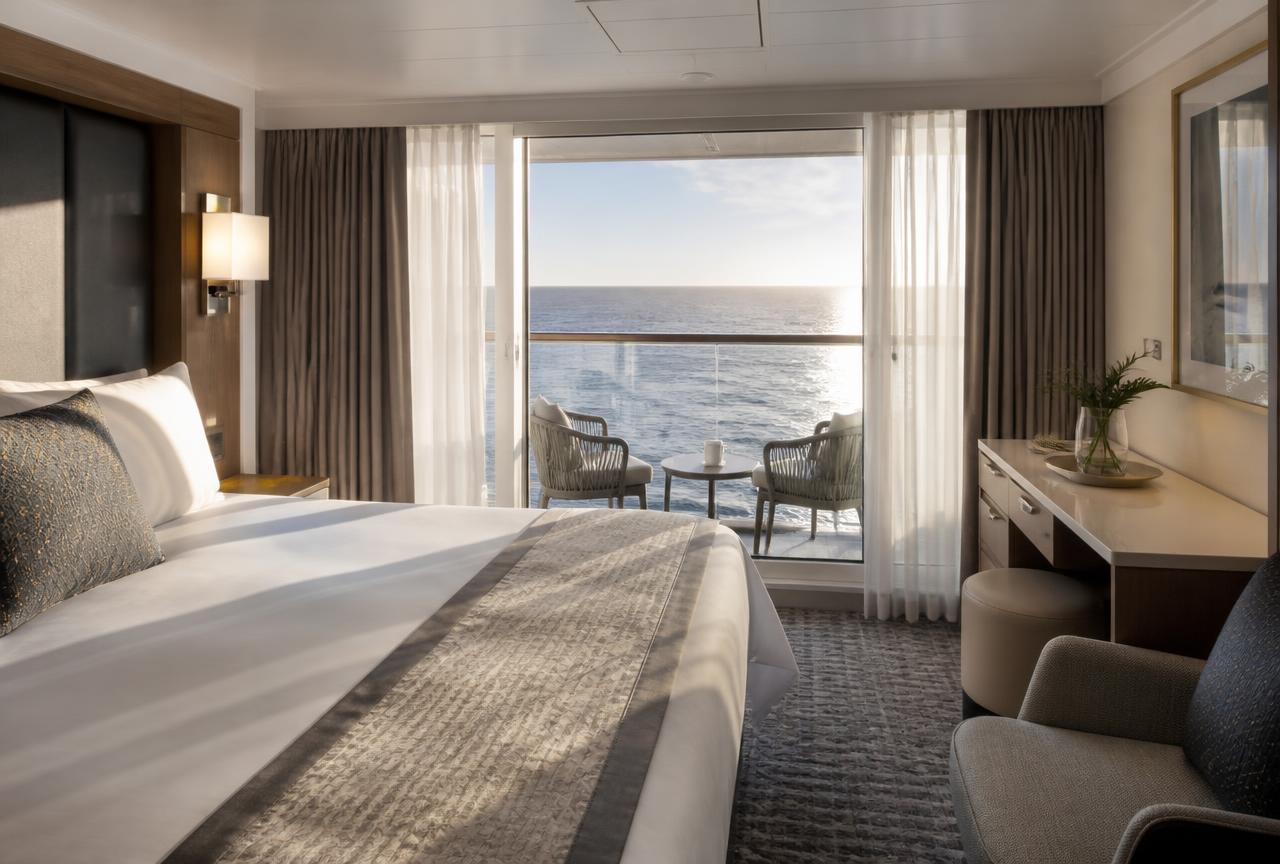
Inside, Oceanview or Balcony: Which Cruise Cabin Is Right for You?
Inside, oceanview or balcony? A practical decision guide to cabin categories, ship location, guarantee fares and when the balcony upgrade is genuinely worth the money.
Read Dispatch
12 min read
How Far in Advance Should You Book a Cruise? A Complete Canadian Planning Guide
The best time to book a cruise depends far more on your itinerary and cabin needs than on chasing a last-minute deal. Here are the booking windows I use with Canadian travellers.
Read Dispatch
11 min read
Cruise Travel Insurance: A Planning Guide for Canadian Travellers
Travel insurance for a cruise varies enormously by policy, insurer and traveller. Here is how to read the wording and work out what your own trip actually needs.
Read Dispatch
9 min read