
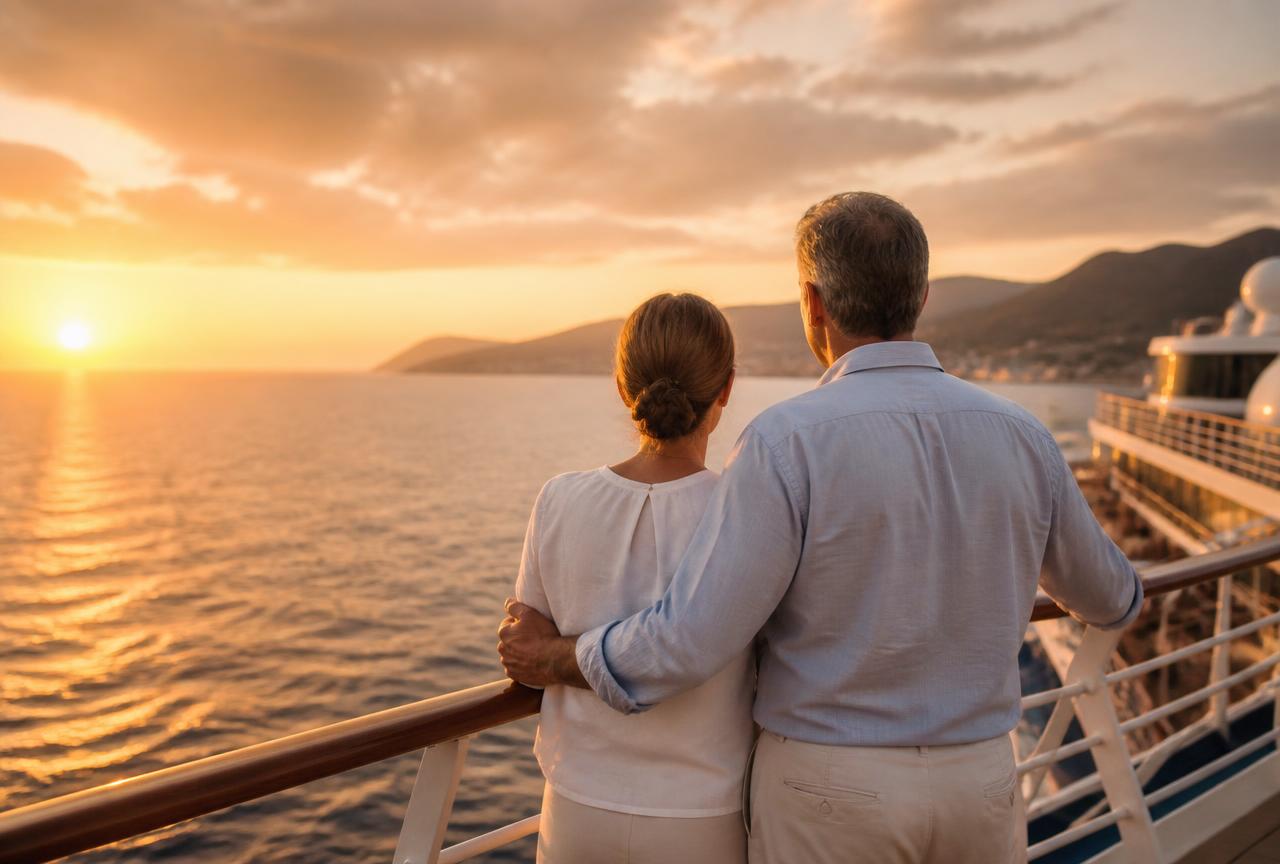
First-time cruise guide for Canadians: what to know before you book
Your first cruise should feel exciting, not overwhelming — here's what to understand before you book.
Eric Mallari12 min read
If you're thinking about taking your first cruise, you'll probably discover something very quickly: there are a lot more choices than you expected. Which cruise line? Which ship? Which itinerary? Inside cabin or balcony? What's actually included? And if you're travelling from Canada, there are a few additional questions involving passports, currency, flights and travel protection. I've seen people spend hours comparing ships before answering the most important question — what kind of vacation are you actually looking for? That's where I'd start.
Don't choose the cruise line first. Choose the experience first
It's tempting to begin with a cruise-line name you've seen advertised. I'd approach it differently: think about what you want the vacation to feel like.
Do you want lots of entertainment and activity, or a quieter, more relaxed atmosphere? Great food? Plenty for children or grandchildren, or an adults-focused experience? Long days exploring destinations? A smaller, more intimate ship, or a large resort-style ship where the ship itself is part of the destination?
There isn't one "best" cruise line. There's a cruise line and ship that may be better suited to you — and on a first cruise, that distinction makes a big difference. Our nine-question guide to choosing the right cruise walks through that decision step by step.
The itinerary and the ship are two different decisions
First-time cruisers sometimes focus almost entirely on the ship. But ask yourself whether you're taking this cruise primarily for the destinations or primarily for the ship experience.
A Caribbean vacation aboard a large resort-style ship might be as much about pools, entertainment, dining and activities as the ports. An Alaska or Mediterranean cruise may be much more destination-focused.
A beautiful ship doesn't automatically make the itinerary right for you, and a great itinerary doesn't necessarily mean you'll enjoy the ship. You want the combination.
- Number of ports: How many places you'll actually set foot in.
- Sea days: How many full days at sea the schedule includes.
- Time in port: How long the ship stays alongside in each place.
- Must-see destinations: Whether particular places matter enough to shape the whole booking.
- Explore versus relax: How much time you want ashore compared with time onboard.
Your cabin matters more than many first-time cruisers expect
Cruise cabins generally fall into four broad categories, and our full guide to inside, oceanview and balcony cabins goes deeper into the trade-offs.
Category isn't the only consideration, though. Location matters too — think about proximity to elevators, entertainment venues, pools, restaurants and other high-traffic areas. If you're sensitive to motion, where the cabin sits on the ship is also worth discussing.
Sometimes spending a little more on the right cabin improves the entire vacation. Other times, if you're barely going to be in your room, an inside cabin may be exactly what you need.
- Inside: Usually the most economical. No exterior window.
- Oceanview: A window or porthole provides natural light and an outside view.
- Balcony: Private outdoor space attached to your cabin.
- Suite: More space and potentially additional amenities, depending on the cruise line.
Understand what your cruise fare actually includes
This is one of the biggest first-cruise surprises. A cruise can include a tremendous amount, but not everything onboard is necessarily included in your fare, and what's covered varies by cruise line, fare type and sailing.
Depending on the cruise line and fare you've purchased, your base fare may include accommodation, main dining venues, buffet dining, many entertainment options, pools, some fitness facilities and transportation between ports.
Additional costs can potentially include alcoholic beverages, some specialty coffees, specialty restaurants, Wi-Fi, shore excursions, spa treatments, some activities, gratuities or service charges, casino spending and shopping.
So don't compare cruises using the headline fare alone. Ask what the vacation will realistically cost after the things you actually want are added — our guide to reading a cruise fare walks through that line by line.
Canadians should pay attention to currency
This deserves its own section because it can materially affect the cost of a vacation. Many cruise lines may price onboard purchases or cruise fares in U.S. dollars, although practices vary by cruise line, market and booking.
For a Canadian traveller, exchange rates can turn what looks like a small difference into a meaningful amount across an entire vacation.
Don't just ask how much the cruise is. Ask how much this cruise is going to cost you in Canadian dollars.
- Fare currency: Which currency the cruise fare is quoted in.
- Onboard account: Which currency your shipboard account will use.
- Card fees: Whether your credit card charges foreign-transaction fees.
- Prepaid packages: Which packages you're considering, and how they're priced.
- Rate movement: How exchange-rate changes could affect your overall budget.
Gratuities confuse almost every first-time cruiser
You're not alone if cruise gratuities seem confusing. Different cruise lines handle them differently.
Many mainstream cruise lines use automatic daily service charges, while some premium or luxury fares may include gratuities. Separate gratuities may also apply to drinks, specialty dining, spa services or other purchases.
The important thing is to understand the policy for your cruise line and fare before departure. Don't assume gratuities are included, and don't assume they're not. Verify.
Should you buy a drink package?
Another question without one universal answer. A package can make sense for someone who values convenience and expects to use it enough. For someone who drinks very little, it might not.
Drink packages also aren't identical across cruise lines. They can differ in price, beverage limits, included drinks, maximum drink values, rules for cabin companions, gratuities and purchase deadlines.
Don't buy one simply because someone on social media says it's worth it. Run the numbers based on how you travel.
Your passport and travel documents are extremely important
This is where I'd be especially cautious about relying on an old blog post, a Facebook group or an AI answer. Cruise-document requirements depend on your citizenship, itinerary, departure port and the countries you visit, and they can change.
Requirements may include a valid passport, visas or electronic travel authorizations, and some destinations may require a passport to remain valid beyond your expected departure date. For Canadians taking a cruise from the United States, current Government of Canada guidance should be checked before travel.
My rule is simple: verify your travel documents from authoritative government and destination sources well before departure. Don't leave this until the week before your cruise.
Travel insurance deserves serious consideration
A cruise can represent thousands of dollars in prepaid travel, and you're travelling outside Canada. Government of Canada guidance recommends that cruise travellers consider appropriate travel insurance, including coverage relevant to cruising and activities ashore.
Coverage varies considerably, so understand what a specific policy does and doesn't cover. Our cruiser's guide to travel insurance explains the questions worth asking.
Insurance isn't the most exciting part of planning a cruise. But neither is discovering after something happens that you weren't covered for what you thought you were.
- Trip cancellation: What happens if you can't travel at all.
- Trip interruption: What happens if the trip is cut short.
- Emergency medical: Medical expenses incurred outside Canada.
- Medical evacuation: Transport to appropriate care, which can be significant at sea.
- Baggage and delays: Lost luggage and missed connections.
If you're flying to the cruise, seriously consider arriving early
For many Canadians the cruise vacation actually begins with a flight — Toronto to Miami, Fort Lauderdale or Vancouver, or perhaps a European departure. Our guide to the best cruise ports for Ontarians covers the practical routes.
Your ship isn't going to wait indefinitely because your flight was delayed. Flying to the embarkation city before the day of the cruise provides valuable breathing room.
For many itineraries I prefer thinking of the pre-cruise hotel as part of the vacation rather than an unnecessary expense. You arrive, have dinner, get some sleep, wake up and start your cruise without racing from an airport to the ship. That's a much better first day.
If you're travelling from Ontario, our guide to cruising from Ontario walks through flights, timing, documents and getting to the port in more detail.
Shore excursions require some planning too
You don't necessarily need an organized excursion in every port. Sometimes exploring independently is exactly what you want. Other times an excursion provides transportation, access or an experience that would be difficult to arrange yourself.
Canadian travellers should also review applicable destination-specific Government of Canada travel advice before travelling.
- What you want to see: Start from the experience, not the excursion catalogue.
- Distance from the terminal: How far the sight actually is from where the ship docks.
- Transportation options: What's available independently, and how reliable it is.
- Time in port: How many hours you genuinely have ashore.
- Physical demands: Walking, stairs, heat and pace.
- Cancellation and late returns: The conditions, and what happens if you return after all-aboard.
Don't try to do everything
Modern cruise ships can be enormous — restaurants, shows, pools, fitness classes, live music, activities, excursions, spa, shopping. You can easily turn your vacation into a checklist. Don't.
You don't have to eat at every restaurant, attend every show or book an excursion in every port. Some of the best moments may be sitting somewhere on the ship with a coffee, watching the ocean go by.
You're on vacation. Leave some room for it.
What should you pack?
Your cruise line will provide specific guidance, and you should always check its prohibited-items and dress-code information.
One item matters more than people expect: a small embarkation-day bag. Your checked luggage may not reach your cabin immediately, so keep medications, documents, valuables and anything you'll need during your first few hours with you.
- Comfortable walking shoes: Port days involve more walking than most people plan for.
- Swimwear and casual clothing: Most of the week, most of the time.
- Appropriate evening clothing: Check your cruise line's dress guidance for the evenings.
- Sun protection: Sun at sea is stronger than it feels.
- Medications and chargers: In your carry-on, not your checked bag.
- Travel documents: Kept with you throughout embarkation day.
What happens on embarkation day?
Your cruise line will provide a boarding process and arrival instructions. Generally you'll check in, drop your checked luggage, go through security and documentation, board the ship, complete required safety procedures, find your cabin and start exploring.
Complete any required safety or muster procedures according to your cruise line's instructions.
One of my favourite parts of a first cruise is the moment you finally walk onto the ship. Everything you've been researching suddenly becomes real.
What first-time cruisers often underestimate
If I could prepare a first-time cruiser for a few things, they would be these.
- Scale: The ship may be much larger than you imagined.
- Choice: There will probably be more options than you can realistically experience.
- Total cost: The lowest advertised fare isn't necessarily the total vacation cost.
- Cabin location: Where the room sits can matter as much as the category.
- Excursions: You don't have to book one everywhere.
- Gratuities: Understand the policy before sailing.
- Flights: Your air schedule shapes the start of the trip.
- Documents: Travel documents matter enormously.
Most importantly
The cruise line that's perfect for your friend may not be perfect for you.
What about using ChatGPT or AI to plan your first cruise?
Use it. I do. AI can be excellent for learning terminology, comparing travel styles, brainstorming destinations and helping you figure out which questions to ask. "What should a first-time cruiser consider when choosing between Alaska and the Caribbean?" is a genuinely useful research question.
But be careful with information that changes. I wouldn't rely solely on AI for current fares, cabin availability, promotions, visa or passport requirements, cancellation terms, insurance coverage or current cruise-line policies.
Use AI to explore. Use authoritative sources and qualified travel professionals to verify. That distinction is becoming increasingly important as travel planning changes.
Do you need a travel advisor for your first cruise?
No. You can absolutely plan and book your first cruise yourself.
But your first cruise is also when you know the least about what you don't know. An experienced advisor can help you work through cruise lines, ships, cabins, itineraries and the details surrounding the cruise.
I've written a longer comparison of both approaches in should you book a cruise direct or use a travel advisor?
A note for Ontario travellers
If you're booking through an Ontario travel business, check that it is registered with TICO.
TICO-registered businesses have consumer-protection obligations involving areas such as required disclosures, documentation and advising customers about the availability of travel insurance. Protections depend on the circumstances and applicable rules, and the Compensation Fund is not universal travel insurance.
Ontario Cruise Center operates through a TICO-registered travel business, registration 5003357.
Your first cruise doesn't need to be complicated
There's a lot to learn, but you don't need to become a cruise expert before taking a cruise. Start with three questions: where do I want to go, what kind of experience do I want, and what matters most to me on this vacation?
Everything else starts becoming easier once you know those answers. And if you're still unsure which direction makes sense, that's exactly the kind of conversation I'm happy to have.
Talk with Eric
Planning your first cruise? Tell me what you're considering, where you'd like to go and what matters most to you, and I'll help you make sense of the options. No pressure — just a conversation about finding a cruise that fits the way you want to travel.
Found this helpful? Share it with your travel crew
Related dispatches
Should you book a cruise direct or use a travel advisor? An Ontario traveller's guide
Booking a cruise has never been easier. Choosing the right cruise is another matter. Here's how to decide whether booking directly or working with a travel advisor makes more sense for you.
Read Dispatch
9 min read
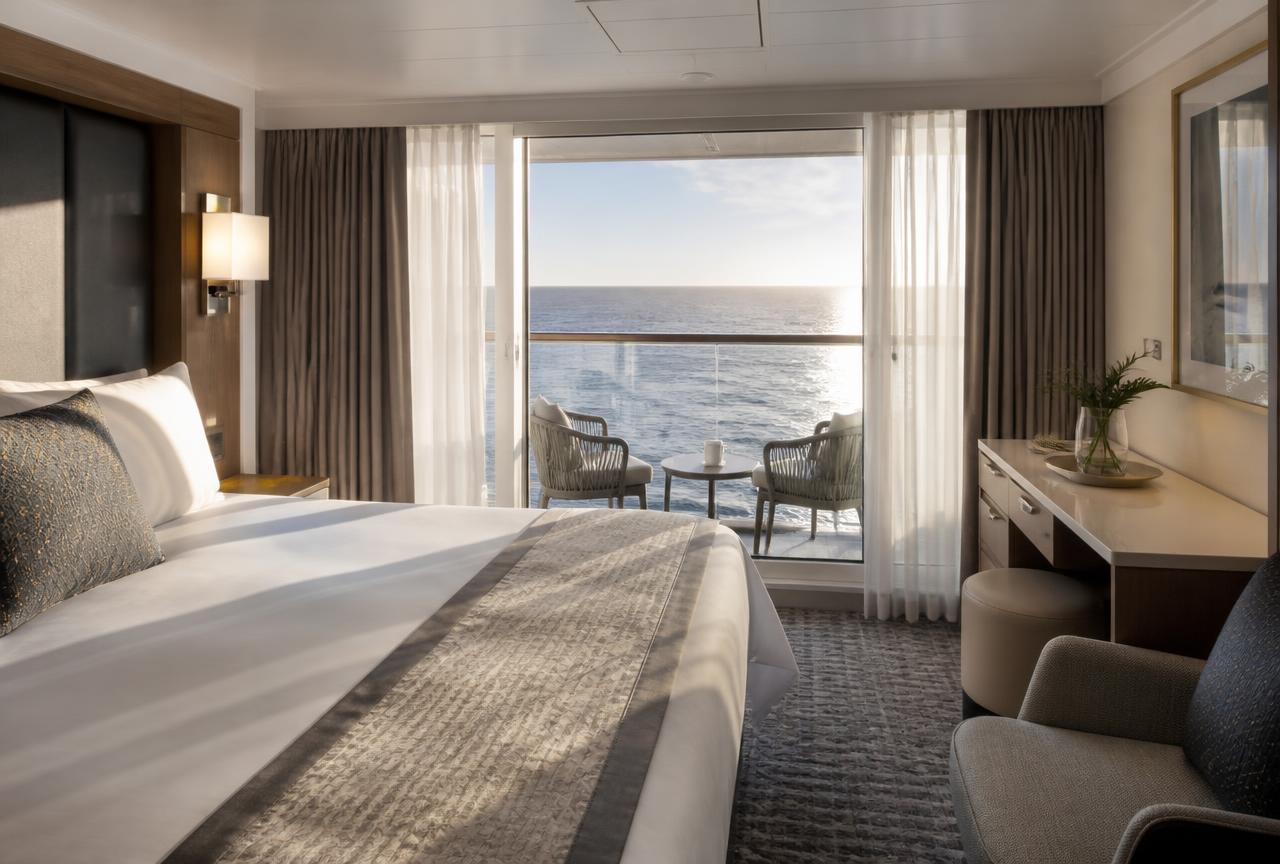
Inside, Oceanview or Balcony: Which Cruise Cabin Is Right for You?
Inside, oceanview or balcony? A practical decision guide to cabin categories, ship location, guarantee fares and when the balcony upgrade is genuinely worth the money.
Read Dispatch
12 min read
What is actually included in a cruise fare—and what is not
The advertised fare and the total cost of the holiday are not the same number. Here is every line item to account for before you put down a deposit.
Read Dispatch
10 min read